Cookies help us run our site more efficiently.

By clicking “Accept”, you agree to the storing of cookies on your device to enhance site navigation, analyze site usage, and assist in our marketing efforts. View our Privacy Policy for more information or to customize your cookie preferences.

What we’ve done to the salmon

News Feed
Thursday, November 13, 2025

Farming salmon is bad at any stage of the fishs’ lives. This story is part of a series supported by Animal Charity Evaluators, which received a grant from EarthShare. The last few decades have seen, arguably, the most sweeping transformation in how humans produce meat, and it has nothing to do with chickens, pigs, or cows. It has to do with fish. Inside this story Over half of the world’s seafood now comes from fish farms, which resemble underwater factory farms. Chickens, pigs, and cows were domesticated over thousands of years, but fish have been domesticated in under a century. It’s created serious welfare issues, especially for salmon. Salmon are carnivorous and migrate thousands of miles. On farms, they’re reduced to swimming in small tanks and eating pellets. Fish farming has taken over the seafood sector, but some experts argue that it’s moved too fast, and we need to better understand welfare issues. Traditionally, the vast majority of fish that people consume has come from the ocean. But in 2022, humanity hit a significant milestone: Seafood companies began to raise more fish on farms than they caught from the sea. And they farm astonishingly large numbers of fish — in tiny, cramped enclosures that resemble underwater factory farms.  It amounts to the fastest and largest animal domestication project that humanity has ever undertaken.  For most of the land animals we eat today, domestication — or, as French fish researcher Fabrice Teletchea defined it, the “long and endless process during which animals become, generations after generations, more adapted to both captive conditions and humans” — has taken place over thousands of years. “In contrast,” a team of marine biologists wrote in the journal Science in 2007, the rise of fish farming “is a contemporary phenomenon,” taking off on a commercial scale around the 1970s.  By the early 2000s, humans were farming well over 200 aquatic animal species, virtually all of which had been domesticated or forced into unnatural conditions in extreme captivity over the course of the previous century, with many in just the prior decade. To put it another way, the marine biologists wrote, aquatic domestication occurred 100 times faster than the domestication of land animals — and on a vastly larger scale. Today, some 80 billion land animals are farmed annually, while an estimated 763 billion fish and crustaceans are farmed each year, a figure projected to quickly grow in the decade ahead. What’s more, this attempt to speedrun domestication occurred even as a clear scientific consensus emerged in recent decades that fish can suffer and feel pain. The revolution in how humans produce seafood has enormous implications for our relationship with species we’ve barely given any thought to. To understand why, consider America’s favorite fish to eat, and one of the most difficult to farm: salmon.  Like farming tigers Salmon farming is a relatively new industry, and it emerged largely in response to manmade problems.  Over the last century, overfishing — combined with industrial pollution, climate change, and heavy damming — has decimated wild Atlantic salmon populations. By 2000, the species gained protection under the Endangered Species Act after it was nearly driven to extinction in the US, effectively banning the commercial fishing of Atlantic salmon. Salmon populations in Europe, along with Pacific salmon populations on the West Coast of the US and beyond, have also experienced significant declines.  To take pressure off depleted wild populations, seafood producers began to scale salmon farming in the 1970s, with ample help from governments in the form of R&D, grants, state financing programs, and more. It’s proven to be a smashing commercial success. Last year, salmon farming companies — which are most concentrated in Norway, Chile, and the UK and export their product around the world — produced 2.8 million metric tons of the fish, or around 560 million individual salmon. They’re typically raised in tanks on land until they’re a year old then transferred to nets and cages floating in the ocean just offshore to be fattened up and eventually slaughtered (they’re supposed to be rendered unconscious prior to slaughter, with either electric stunning or a club to the head, though some aren’t successfully stunned). About one out of every five are shipped off to the US, where “young affluent consumers love to eat salmon,” according to the Norwegian company Mowi, the world’s biggest salmon producer. This taste for salmon and the farming industry it has necessitated has, in just a few generations, dramatically transformed what it means to be a salmon. In the wild, salmon live incredibly complex lives and embark on epic journeys. But on farms, they can’t do any of that.  According to Becca Franks, an assistant professor of environmental studies at New York University, salmon farming has created grave welfare problems by denying the animals the ability to engage in two of their essential natural behaviors: migrating and hunting.  In the US, Atlantic salmon begin their lives as eggs buried a foot under freshwater riverbeds in Maine, where they remain for six months until they hatch and emerge in search of food. At a few years old, they migrate hundreds of miles northward into the salty Atlantic ocean, then hundreds of miles further out into the Labrador Sea, near Greenland. There, they quickly put on weight — feeding on krill, herring, and crustaceans — which they’ll need for the long journey home that they make after a couple years of dining out at sea. Following scents and using the earth’s magnetic field, Atlantic salmon swim over 1,000 miles back to their home streams to spawn the next generation.  The salmon’s life cycle inspires more awe and reverence than most species in the animal kingdom, but on farms, they’re reduced to swimming in tiny circles for years and subsisting on small, manmade pellets. Their “welfare is harmed through loss of agency and choice,” Franks told me in an email. She likens salmon farming to trying to farm tigers.   Sophie Ryan, CEO of the Global Salmon Initiative — a coalition of salmon farming companies — challenged the idea that domestication has harmed salmon. “They have been domesticated over more than 50 years — similar to cattle or poultry — and have been selectively bred to thrive in a farm environment,” Ryan told me in an email. “Their nutritional needs, swimming patterns, and energy use are different from wild salmon, because their environment and purpose are different.” The selective breeding that Ryan speaks of has been used to make farmed salmon grow twice as fast as their wild counterparts, which has led to a number of serious health issues: heart problems, spinal deformities, high levels of deafness, and increased risk of an early death. They’re also more aggressive than wild salmon. To boost growth even further, salmon farms keep their lights on up to 24 hours a day, which makes the fish eat more and can damage their retinas. And in a concerning twist, the domestication of farmed salmon is hurting wild salmon. Since the 1970s, tens of millions of farmed salmon have managed to escape and compete for resources with wild salmon and even mate with them, leading to “genetic pollution” that has resulted in a hybrid line of salmon.  “We may now need to recognize a new biological entity — Salmo domesticus,” biologist Mart Gross wrote in a 1998 paper, “and treat it as an ‘exotic’ when it escapes into the wild.” Some research has found that these hybrid fish have lower survival rates. That means that the farming of salmon, which was intended to give wild salmon populations a break, created a new challenge for them. “Escape prevention is a top priority, with ongoing improvements in net strength, mooring systems, and real-time digital monitoring,” Ryan of the Global Salmon Initiative said. “Where escapes do occur, companies are required to report them and work with regulators to assess potential impacts on wild populations.” Franks considers fish farming a form of “captive dewilding”: the process of modifying animals to conform to captivity and to the harms that befall them as a result. And the reality of that captivity can be incredibly cruel. Fish farms up close In 2019, animal rights activist Erin Wing worked undercover with the group Animal Outlook for four months at a salmon hatchery in Maine operated by Cooke Aquaculture, one of the world’s largest salmon farming companies. Wing documented workers culling diseased fish by hitting them against the sides of tanks multiple times; fish thrown into buckets still alive, left to suffocate or be crushed to death by other fish; fish born with spinal deformities; and fish dying from nasty fungal diseases that ate away parts of their faces. “Over the years, you kinda get desensitized,” one employee told her.  In response to Wing’s investigation, Cooke Aquaculture CEO Glenn Cooke said in a statement that the company would re-train employees at the Maine facility. “We place animal welfare high in our operating standards and endeavor to raise our animals with optimal care and consideration of best practice,” Cooke said, adding that “what we saw today is most certainly not reflective of these standards.”  Wing, who has spent her career investigating factory farms, is skeptical of industry standards. “There are these [animal welfare] industry standards that are in place, and there are these guidelines, but at the end of the day, there’s not really any enforcement,” Wing told me. “So these farms will make up whatever rules they want that will work for them, for their workers, and then they’ll operate as they see fit. And that usually results in a lot of these animals suffering needlessly.”  Some of the suffering stems from putting farmed animals in the ocean, as crowding hundreds of thousands of salmon together in open waters attracts sea lice — tiny, painful parasites that feed on the salmon’s skin and can even kill them. In 2023, almost 17 percent of Norwegian farmed salmon died before they could be slaughtered for meat, largely from infectious diseases and injuries. To combat the scourge of sea lice, salmon farmers had, for years, dumped chemicals into the water to kill them, along with antibiotics and other chemicals to protect the fish from a range of fungal and viral diseases. These pollutants, combined with vast amounts of animal waste generated by the salmon, fall to the ocean floor and pollute marine ecosystems. That, in turn, contributes to what Franks calls “environmental dewilding,” or the process of modifying natural water bodies with artificial infrastructure — in this case, fish farm pens and cages — and polluting them. Sea lice have since developed resistance to these chemicals, so, over the last decade, salmon farmers have switched to other methods — including subjecting salmon to high heat — which can cause pain, injuries, and death.   The International Salmon Farmers Association and the Global Seafood Alliance didn’t respond to interview requests. Not just salmon  If we accept that farming salmon is bad for them and the environments in which they’re raised — and that we should protect dwindling wild populations — then we’ll have to accept eating a lot less salmon. We’ll also have to reconsider the ethical implications of farming many other fish species. Fair Fish, a team of fish welfare researchers, has compared the natural behavior and welfare needs of nearly 100 fish species with the conditions they experience on farms. Out of the 100 analyzed species, only two — tilapia and carp — have “the potential to be farmed in somewhat decent conditions,” according to João Saraiva, who researches fish ethology at the Centre of Marine Sciences in Faro, Portugal, and runs the nonprofit Fish Etho Group. But that doesn’t mean that they actually are; both tilapia and carp farms tend to be overcrowded, with poor water quality and high rates of disease. (Saraiva has worked with Fair Fish on its analyses but is no longer involved in the project.)  By contrast, he said, salmon is “way down on the list,” meaning it’s especially hard for farms to meet their basic welfare needs.  Fair Fish’s research demonstrates how little attention the fish farming industry, and the governments that helped it take over the seafood sector, has paid to the simple question of how its captives experience being farmed. It also illustrates the damage we can do when we flatten “fish” — an incredibly diverse group of species — into a monolith.  Franks said industry and government need to pump the brakes on the expansion of fish and crustacean farming, which is currently the world’s fastest-growing agricultural sector, noting, “I think we should not be farming any new species of fish or crustaceans and putting in transition programs for folks already farming those species to move towards seaweeds and bivalves.” The latter is a class of invertebrate animals that includes scallops, oysters, and mussels, which Franks said have far fewer environmental and welfare concerns than farmed fish and crustaceans (whether bivalves are sentient or can feel pain remains an ongoing scientific debate).   She’s one of the few academics studying fish farming willing to go there, to suggest that we ought to fundamentally rethink how we produce seafood and how much of it we consume. “I think there is a huge reluctance to even broach the possibility of shifting diets away” from animal protein, said Franks. When the global fish farming boom took off, many in the field had good intentions, and it looked good on paper; a way to boost the global food supply without further exploiting oceans. Plus, fish tend to have a lower carbon footprint than farmed land species (though higher than plant-based proteins). But few questions were asked about what it would mean, ethically and environmentally, to rapidly domesticate, then confine and slaughter, hundreds of billions of animals annually with distinct needs — let alone the capacity to feel pain.  Researchers like Saraiva and Franks are trying to convince the world to catch up with what we now know about fish and to further expand our knowledge. As consumers, we can help, and we can start by thinking twice about the salmon on our plates. 

This story is part of a series supported by Animal Charity Evaluators, which received a grant from EarthShare. The last few decades have seen, arguably, the most sweeping transformation in how humans produce meat, and it has nothing to do with chickens, pigs, or cows. It has to do with fish. Traditionally, the vast majority […]
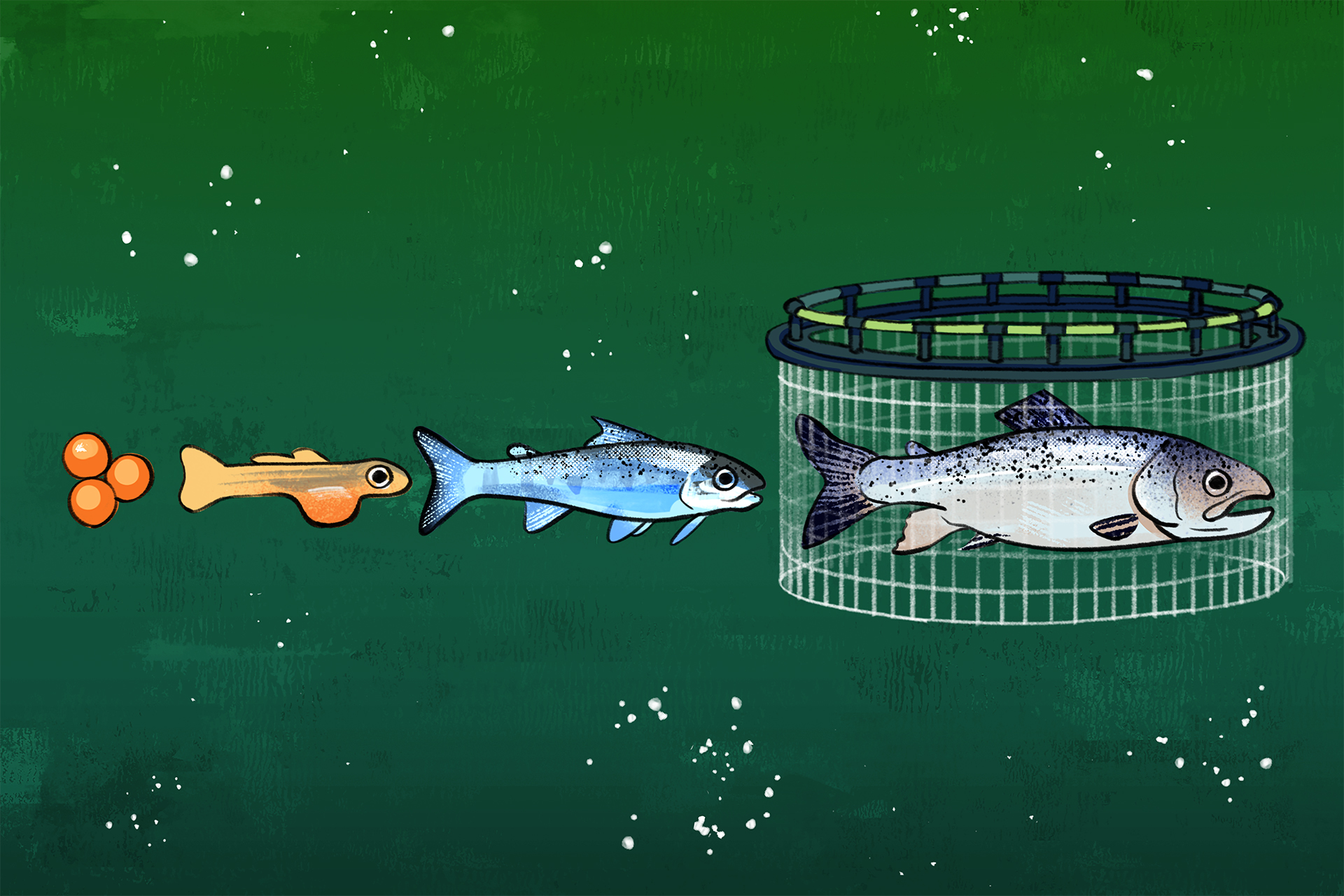
An illustration of a salmon in four life stages under green ocean water. In the final stage, it’s tightly caged
Farming salmon is bad at any stage of the fishs’ lives.

This story is part of a series supported by Animal Charity Evaluators, which received a grant from EarthShare.

The last few decades have seen, arguably, the most sweeping transformation in how humans produce meat, and it has nothing to do with chickens, pigs, or cows. It has to do with fish.

Inside this story

  • Over half of the world’s seafood now comes from fish farms, which resemble underwater factory farms.
  • Chickens, pigs, and cows were domesticated over thousands of years, but fish have been domesticated in under a century. It’s created serious welfare issues, especially for salmon.
  • Salmon are carnivorous and migrate thousands of miles. On farms, they’re reduced to swimming in small tanks and eating pellets.
  • Fish farming has taken over the seafood sector, but some experts argue that it’s moved too fast, and we need to better understand welfare issues.

Traditionally, the vast majority of fish that people consume has come from the ocean. But in 2022, humanity hit a significant milestone: Seafood companies began to raise more fish on farms than they caught from the sea. And they farm astonishingly large numbers of fish — in tiny, cramped enclosures that resemble underwater factory farms

It amounts to the fastest and largest animal domestication project that humanity has ever undertaken. 

For most of the land animals we eat today, domestication — or, as French fish researcher Fabrice Teletchea defined it, the “long and endless process during which animals become, generations after generations, more adapted to both captive conditions and humans” — has taken place over thousands of years. “In contrast,” a team of marine biologists wrote in the journal Science in 2007, the rise of fish farming “is a contemporary phenomenon,” taking off on a commercial scale around the 1970s. 

By the early 2000s, humans were farming well over 200 aquatic animal species, virtually all of which had been domesticated or forced into unnatural conditions in extreme captivity over the course of the previous century, with many in just the prior decade. To put it another way, the marine biologists wrote, aquatic domestication occurred 100 times faster than the domestication of land animals — and on a vastly larger scale. Today, some 80 billion land animals are farmed annually, while an estimated 763 billion fish and crustaceans are farmed each year, a figure projected to quickly grow in the decade ahead.

What’s more, this attempt to speedrun domestication occurred even as a clear scientific consensus emerged in recent decades that fish can suffer and feel pain.

The revolution in how humans produce seafood has enormous implications for our relationship with species we’ve barely given any thought to. To understand why, consider America’s favorite fish to eat, and one of the most difficult to farm: salmon. 

Like farming tigers

Salmon farming is a relatively new industry, and it emerged largely in response to manmade problems. 

Over the last century, overfishing — combined with industrial pollution, climate change, and heavy damming — has decimated wild Atlantic salmon populations. By 2000, the species gained protection under the Endangered Species Act after it was nearly driven to extinction in the US, effectively banning the commercial fishing of Atlantic salmon.

Salmon populations in Europe, along with Pacific salmon populations on the West Coast of the US and beyond, have also experienced significant declines. 

To take pressure off depleted wild populations, seafood producers began to scale salmon farming in the 1970s, with ample help from governments in the form of R&D, grants, state financing programs, and more. It’s proven to be a smashing commercial success.
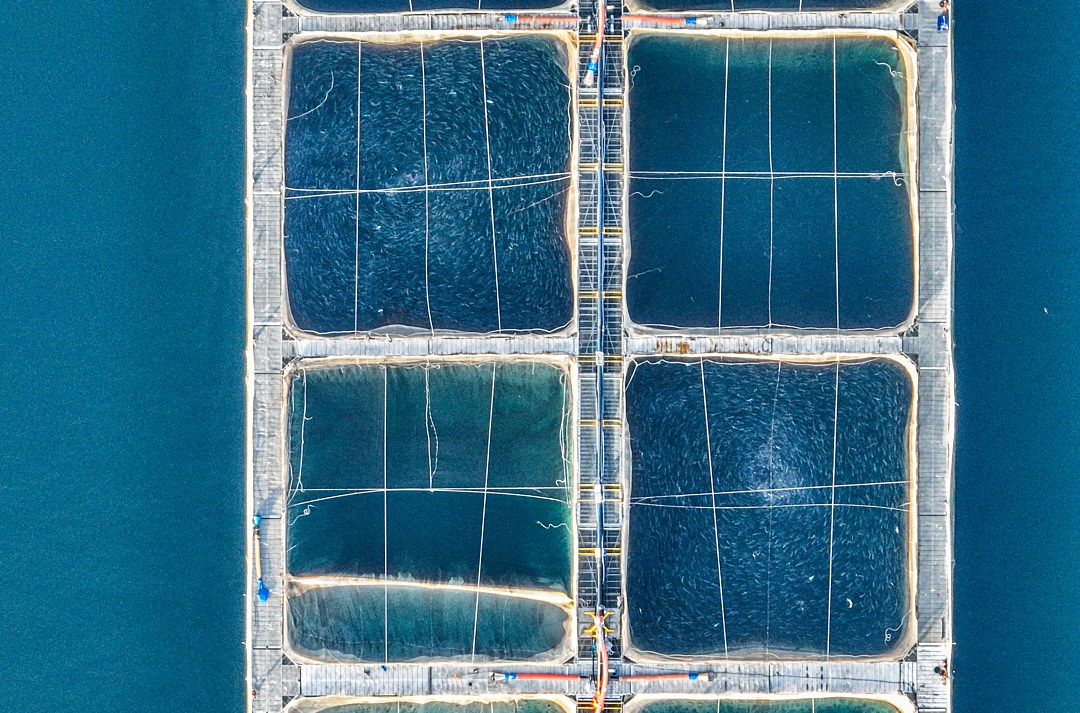
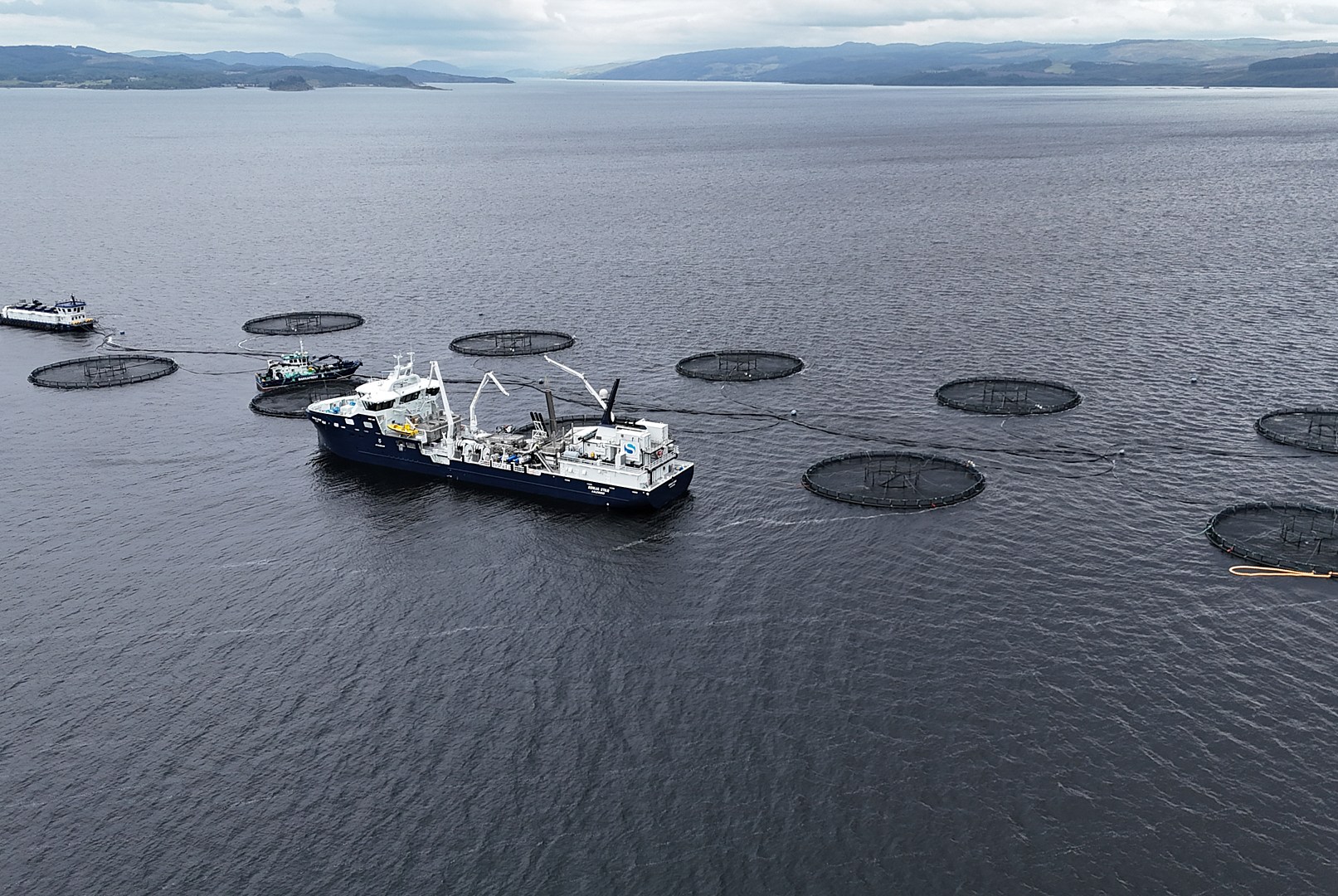
Last year, salmon farming companies — which are most concentrated in Norway, Chile, and the UK and export their product around the world — produced 2.8 million metric tons of the fish, or around 560 million individual salmon. They’re typically raised in tanks on land until they’re a year old then transferred to nets and cages floating in the ocean just offshore to be fattened up and eventually slaughtered (they’re supposed to be rendered unconscious prior to slaughter, with either electric stunning or a club to the head, though some aren’t successfully stunned).

About one out of every five are shipped off to the US, where “young affluent consumers love to eat salmon,” according to the Norwegian company Mowi, the world’s biggest salmon producer.
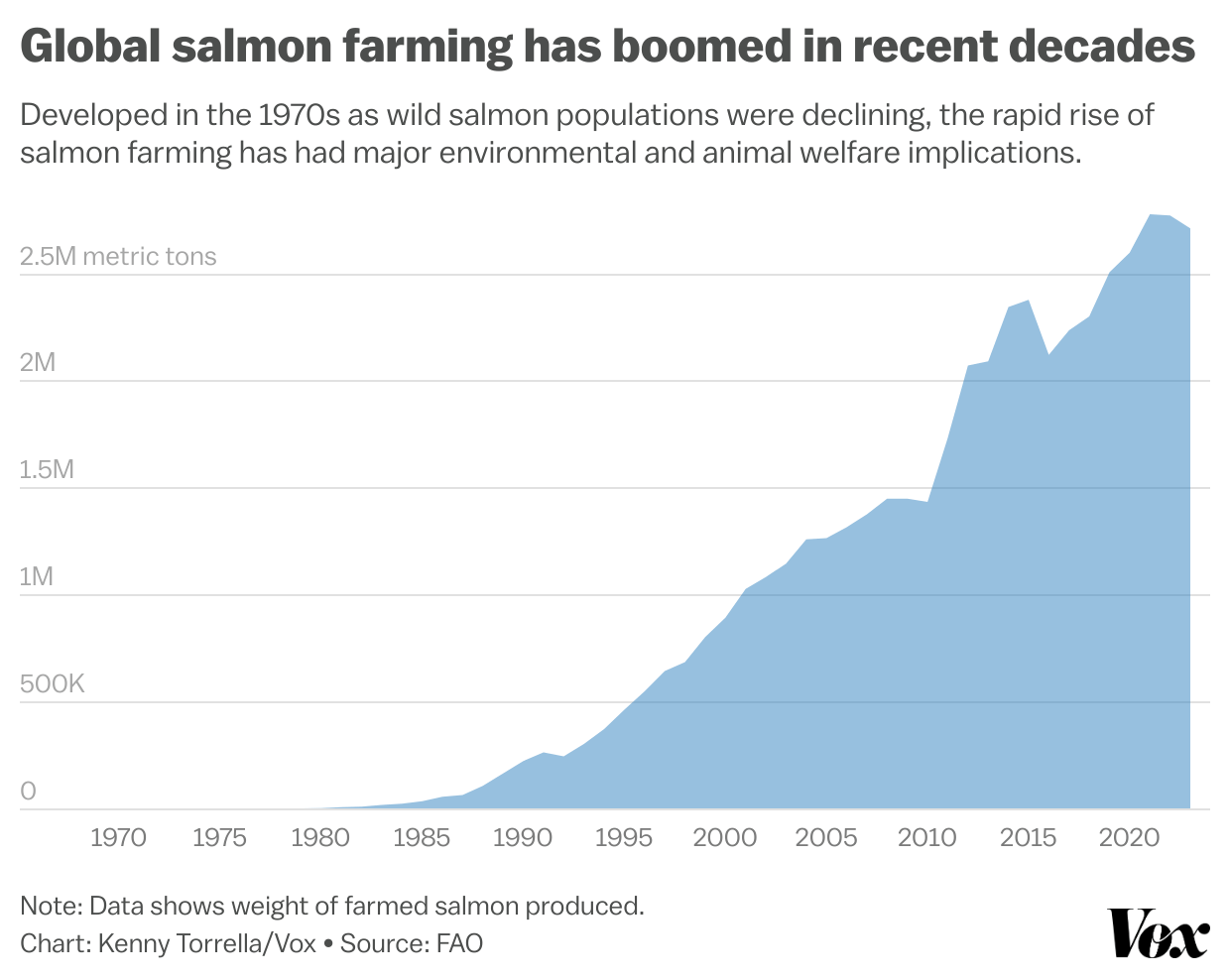
This taste for salmon and the farming industry it has necessitated has, in just a few generations, dramatically transformed what it means to be a salmon. In the wild, salmon live incredibly complex lives and embark on epic journeys. But on farms, they can’t do any of that. 

According to Becca Franks, an assistant professor of environmental studies at New York University, salmon farming has created grave welfare problems by denying the animals the ability to engage in two of their essential natural behaviors: migrating and hunting. 

In the US, Atlantic salmon begin their lives as eggs buried a foot under freshwater riverbeds in Maine, where they remain for six months until they hatch and emerge in search of food. At a few years old, they migrate hundreds of miles northward into the salty Atlantic ocean, then hundreds of miles further out into the Labrador Sea, near Greenland. There, they quickly put on weight — feeding on krill, herring, and crustaceans — which they’ll need for the long journey home that they make after a couple years of dining out at sea.

Following scents and using the earth’s magnetic field, Atlantic salmon swim over 1,000 miles back to their home streams to spawn the next generation. 

The salmon’s life cycle inspires more awe and reverence than most species in the animal kingdom, but on farms, they’re reduced to swimming in tiny circles for years and subsisting on small, manmade pellets. Their “welfare is harmed through loss of agency and choice,” Franks told me in an email. She likens salmon farming to trying to farm tigers.  

Sophie Ryan, CEO of the Global Salmon Initiative — a coalition of salmon farming companies — challenged the idea that domestication has harmed salmon. “They have been domesticated over more than 50 years — similar to cattle or poultry — and have been selectively bred to thrive in a farm environment,” Ryan told me in an email. “Their nutritional needs, swimming patterns, and energy use are different from wild salmon, because their environment and purpose are different.”

The selective breeding that Ryan speaks of has been used to make farmed salmon grow twice as fast as their wild counterparts, which has led to a number of serious health issues: heart problems, spinal deformities, high levels of deafness, and increased risk of an early death. They’re also more aggressive than wild salmon.

To boost growth even further, salmon farms keep their lights on up to 24 hours a day, which makes the fish eat more and can damage their retinas.

And in a concerning twist, the domestication of farmed salmon is hurting wild salmon. Since the 1970s, tens of millions of farmed salmon have managed to escape and compete for resources with wild salmon and even mate with them, leading to “genetic pollution” that has resulted in a hybrid line of salmon. 

“We may now need to recognize a new biological entity — Salmo domesticus,” biologist Mart Gross wrote in a 1998 paper, “and treat it as an ‘exotic’ when it escapes into the wild.”

Some research has found that these hybrid fish have lower survival rates. That means that the farming of salmon, which was intended to give wild salmon populations a break, created a new challenge for them.

“Escape prevention is a top priority, with ongoing improvements in net strength, mooring systems, and real-time digital monitoring,” Ryan of the Global Salmon Initiative said. “Where escapes do occur, companies are required to report them and work with regulators to assess potential impacts on wild populations.”

Franks considers fish farming a form of “captive dewilding”: the process of modifying animals to conform to captivity and to the harms that befall them as a result. And the reality of that captivity can be incredibly cruel.

Fish farms up close

In 2019, animal rights activist Erin Wing worked undercover with the group Animal Outlook for four months at a salmon hatchery in Maine operated by Cooke Aquaculture, one of the world’s largest salmon farming companies. Wing documented workers culling diseased fish by hitting them against the sides of tanks multiple times; fish thrown into buckets still alive, left to suffocate or be crushed to death by other fish; fish born with spinal deformities; and fish dying from nasty fungal diseases that ate away parts of their faces.

“Over the years, you kinda get desensitized,” one employee told her. 

In response to Wing’s investigation, Cooke Aquaculture CEO Glenn Cooke said in a statement that the company would re-train employees at the Maine facility. “We place animal welfare high in our operating standards and endeavor to raise our animals with optimal care and consideration of best practice,” Cooke said, adding that “what we saw today is most certainly not reflective of these standards.” 

Wing, who has spent her career investigating factory farms, is skeptical of industry standards. “There are these [animal welfare] industry standards that are in place, and there are these guidelines, but at the end of the day, there’s not really any enforcement,” Wing told me. “So these farms will make up whatever rules they want that will work for them, for their workers, and then they’ll operate as they see fit. And that usually results in a lot of these animals suffering needlessly.” 

Some of the suffering stems from putting farmed animals in the ocean, as crowding hundreds of thousands of salmon together in open waters attracts sea lice — tiny, painful parasites that feed on the salmon’s skin and can even kill them. In 2023, almost 17 percent of Norwegian farmed salmon died before they could be slaughtered for meat, largely from infectious diseases and injuries.
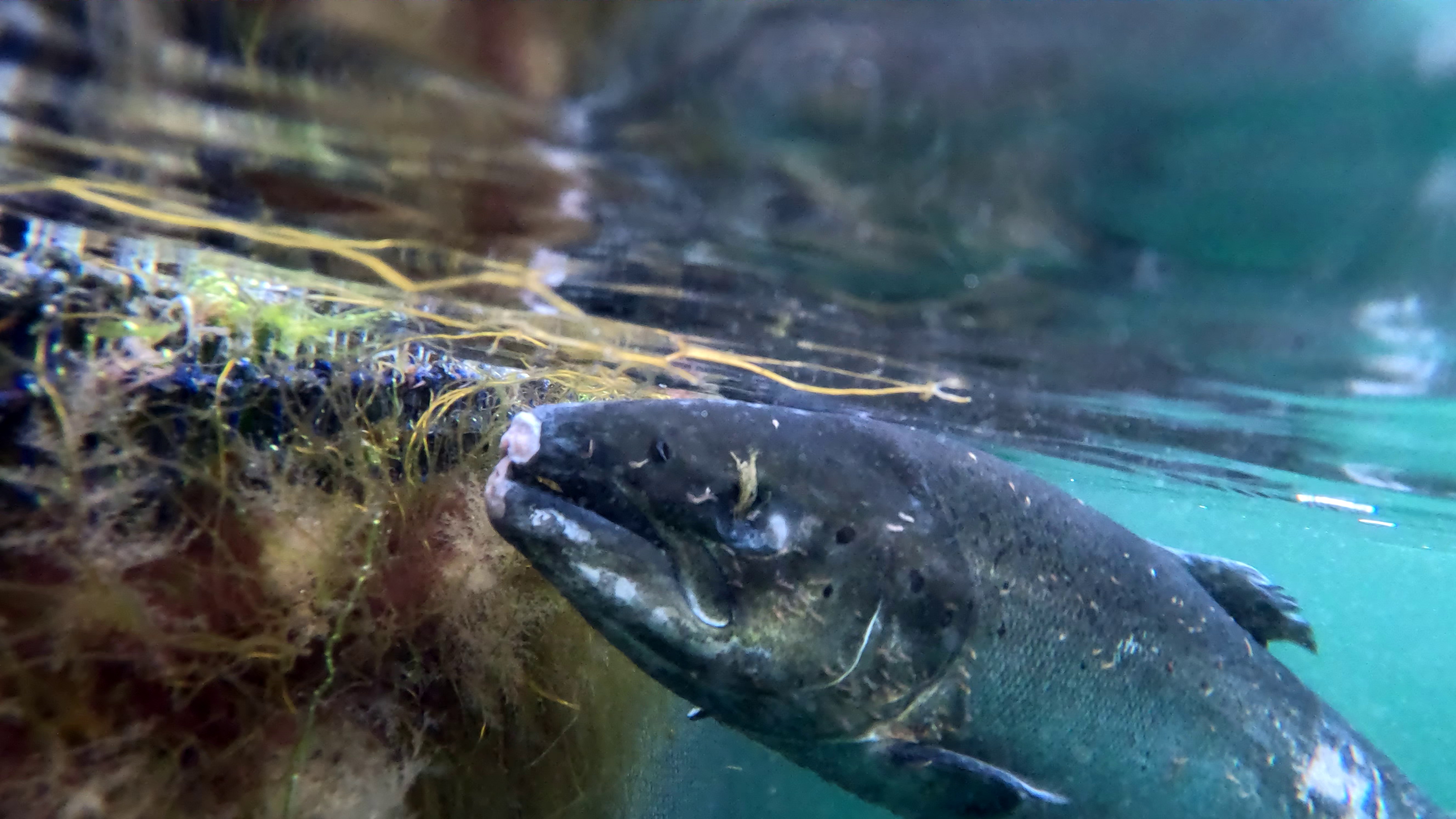
A close-up of a salmon underwater, covered in small sea lice.

To combat the scourge of sea lice, salmon farmers had, for years, dumped chemicals into the water to kill them, along with antibiotics and other chemicals to protect the fish from a range of fungal and viral diseases. These pollutants, combined with vast amounts of animal waste generated by the salmon, fall to the ocean floor and pollute marine ecosystems.

That, in turn, contributes to what Franks calls “environmental dewilding,” or the process of modifying natural water bodies with artificial infrastructure — in this case, fish farm pens and cages — and polluting them.

Sea lice have since developed resistance to these chemicals, so, over the last decade, salmon farmers have switched to other methods — including subjecting salmon to high heat — which can cause pain, injuries, and death.  

The International Salmon Farmers Association and the Global Seafood Alliance didn’t respond to interview requests.

Not just salmon 

If we accept that farming salmon is bad for them and the environments in which they’re raised — and that we should protect dwindling wild populations — then we’ll have to accept eating a lot less salmon. We’ll also have to reconsider the ethical implications of farming many other fish species.

Fair Fish, a team of fish welfare researchers, has compared the natural behavior and welfare needs of nearly 100 fish species with the conditions they experience on farms. Out of the 100 analyzed species, only two — tilapia and carp — have “the potential to be farmed in somewhat decent conditions,” according to João Saraiva, who researches fish ethology at the Centre of Marine Sciences in Faro, Portugal, and runs the nonprofit Fish Etho Group. But that doesn’t mean that they actually are; both tilapia and carp farms tend to be overcrowded, with poor water quality and high rates of disease. (Saraiva has worked with Fair Fish on its analyses but is no longer involved in the project.) 

By contrast, he said, salmon is “way down on the list,” meaning it’s especially hard for farms to meet their basic welfare needs. 

Fair Fish’s research demonstrates how little attention the fish farming industry, and the governments that helped it take over the seafood sector, has paid to the simple question of how its captives experience being farmed. It also illustrates the damage we can do when we flatten “fish” — an incredibly diverse group of species — into a monolith. 

Franks said industry and government need to pump the brakes on the expansion of fish and crustacean farming, which is currently the world’s fastest-growing agricultural sector, noting, “I think we should not be farming any new species of fish or crustaceans and putting in transition programs for folks already farming those species to move towards seaweeds and bivalves.” The latter is a class of invertebrate animals that includes scallops, oysters, and mussels, which Franks said have far fewer environmental and welfare concerns than farmed fish and crustaceans (whether bivalves are sentient or can feel pain remains an ongoing scientific debate).  

She’s one of the few academics studying fish farming willing to go there, to suggest that we ought to fundamentally rethink how we produce seafood and how much of it we consume. “I think there is a huge reluctance to even broach the possibility of shifting diets away” from animal protein, said Franks.

When the global fish farming boom took off, many in the field had good intentions, and it looked good on paper; a way to boost the global food supply without further exploiting oceans. Plus, fish tend to have a lower carbon footprint than farmed land species (though higher than plant-based proteins). But few questions were asked about what it would mean, ethically and environmentally, to rapidly domesticate, then confine and slaughter, hundreds of billions of animals annually with distinct needs — let alone the capacity to feel pain. 

Researchers like Saraiva and Franks are trying to convince the world to catch up with what we now know about fish and to further expand our knowledge. As consumers, we can help, and we can start by thinking twice about the salmon on our plates. 

Read the full story here.
Photos courtesy of

Montana Judge Allows 2025-26 Wolf Hunting and Trapping Regulations to Stand While Lawsuit Proceeds

A Montana judge is allowing the wolf hunting and trapping regulations the Montana Fish and Wildlife Commission adopted earlier this year to stand, saying it's doubtful hunters and trappers will meet the record-high quota of 458 wolves this season

A Helena judge has allowed the wolf hunting and trapping regulations the Montana Fish and Wildlife Commission adopted earlier this year to stand, despite flagging “serious concerns” about the state’s ability to accurately estimate Montana’s wolf population.In a 43-page opinion, District Court Judge Christopher Abbott wrote that leaving the 2025-2026 hunting and trapping regulations in place while he considers an underlying lawsuit will not “push wolf populations to an unsustainable level.”In its lawsuit, first filed in 2022, WildEarth Guardians, Project Coyote, Footloose Montana and Gallatin Wildlife Association challenged four laws adopted by the 2021 Montana Legislature aimed at driving wolf numbers down. Earlier this year, the environmental groups added new claims to their lawsuit and asked the court to stop the 2025-2026 regulations from taking effect. The groups argued that a record-high wolf hunting and trapping quota of 458 wolves, paired with the potential for another 100 wolves to be killed for preying on livestock or otherwise getting into conflict with humans, would push the state’s wolf population “toward long-term decline and irreparable harm.” According to the state’s population estimates — figures that the environmental groups dispute — there are approximately 1,100 wolves across the state.In a Dec. 19 press release about the decision, Connie Poten with Footloose Montana described the ruling as a “severe setback,” but argued that the “resulting slaughter will only strengthen our ongoing case for the protection of this vital species.”“The fight for wolves is deep and broad, based in science, connection, humaneness and necessity. Wolves will not die in vain,” Poten said.Montana Fish, Wildlife and Parks declined to comment on the order, citing the ongoing litigation. Montana Sportsmen for Fish and Wildlife and the Outdoor Heritage Coalition, nonprofit groups that backed the state’s position in the litigation, could not be reached for comment on the order by publication time Monday afternoon.The order comes more than a month after a two-hour hearing on the request for an injunction, and about three weeks after the trapping season opened across the majority of the state. The trapping season is set to close no later than March 15, 2026.During the Nov. 14 hearing at the Lewis and Clark County courthouse, Alexander Scolavino argued on behalf of Montana Fish, Wildlife and Parks and the Montana Fish and Wildlife Commission that hunters, trappers and wildlife managers won’t come close to killing 558 wolves this season. Scolavino added that the highest number shot or trapped in a single season was 350 wolves in 2020 — well shy of the 458-wolf quota the commission, the governor-appointed board that sets hunting seasons for game species and furbearers, adopted in August.Abbott agreed with Scolavino’s argument, writing in his order that it’s unlikely that hunters and trappers will “achieve anything near the quota established by the commission.” To reinforce his claim, he noted that hunters and trappers have not killed 334 wolves — the quota commissioners adopted for the 2024-2025 season — in any of the past five seasons. “In short, nothing suggests that the 2025/2026 season is likely to push wolf populations to an unsustainable level or cause them irreparable injury,” he concluded.Abbott seemed to suggest that livestock-oriented conflicts are waning and that it’s unlikely that the state will authorize the killing of 100 “conflict” wolves. He noted that livestock depredations dropped from “a high of 233 in 2009 to 100 per year or less today.” On other issues — namely the Constitutional environmental rights asserted by the plaintiffs and the reliability of the state’s wolf population-estimation model — Abbott appeared to side with the plaintiffs. Those issues remain unresolved in the ongoing litigation before the court.Abbott wrote that the plaintiffs “are likely to show that a sustainable wolf population in Montana forms part of the ‘environmental life support system’ of the state.” The environmental groups had argued in their filings that the existing wolf-management framework “will deplete and degrade Montana’s wolf population,” running afoul of the state’s duty to “preserve the right to a clean and healthful environment.”In his order, Abbott incorporated material from the plaintiffs’ filings regarding the economic and ecological benefits of wolves, including “the suppression of overabundant elk, deer and coyote populations,” “restoring vegetation that aids water quality, songbirds and insect pollinators,” and “generating income and jobs” by contributing to the wildlife-watching economy anchored by Yellowstone National Park.Abbott also expressed “serious concerns” about the way the state estimates wolf numbers — a model that relies, among other things, on wolf sightings reported by elk hunters — but ultimately concluded that the court is currently “unequipped” to referee “the palace intrigues of academia” in the wildlife population-modeling arena. In the press release about the decision, the environmental groups described these pieces of Abbott’s order as “serious and valid questions” that the court must still address.Another lawsuit relating to the 2025-2026 wolf regulations is ongoing. On Sept. 30, Rep. Paul Fielder, R-Thompson Falls, and Sen. Shannon Maness, R-Dillon, joined an outfitter from Gallatin County and the Outdoor Heritage Coalition (which intervened in the environmental groups’ litigation) to push the state to loosen regulations by, for example, lengthening the trapping season and expanding the tools hunters or trappers can use to pursue and kill wolves. The plaintiffs in that lawsuit argue that liberalizing the hunting and trapping season would reaffirm the “opportunity to harvest wild fish and wild game animals enshrined in the Montana Constitution,” and bring the state into alignment with a 2021 law directing the commission to adopt regulations with an “intent to reduce the wolf population.”According to the state’s wolf management dashboard, 83 wolves have been shot or trapped as of Dec. 22. The department closed the two wolf management units closest to Yellowstone National Park to further hunting and trapping earlier this year after three wolves were killed in each of those units. This story was originally published by Montana Free Press and distributed through a partnership with The Associated Press.Copyright 2025 The Associated Press. All rights reserved. This material may not be published, broadcast, rewritten or redistributed.Photos You Should See – December 2025

Pink platypus spotted in Gippsland is cute – but don’t get too excited

Biologist says monotreme a Victorian fisher has nicknamed Pinky is ‘unusual but not exceptional’Follow our Australia news live blog for latest updatesGet our breaking news email, free app or daily news podcastCody Stylianou thought he saw a huge trout. But, skimming just below the surface, it was moving differently than a fish would.The creature surfaced and, amazed, the Victorian fisher reached for his phone. Swimming in front of him was a pink platypus. Continue reading...

Cody Stylianou thought he saw a huge trout. But, skimming just below the surface, it was moving differently than a fish would.The creature surfaced and, amazed, the Victorian fisher reached for his phone. Swimming in front of him was a pink platypus.Stylianou regularly fishes in the Gippsland spot, which he is keeping secret to protect the rare animal. He thinks it could be the same one he saw years ago, just older and bigger.“The bill and feet are super obviously pink,” he says. “When he did go a bit further into sunlit areas, he was easy to follow underwater, which is how I got so many videos of him surfacing.”Stylianou had been on his first trout fishing trip of the season in September when he saw the platypus, which he has nicknamed “Pinky”. He watched it feed at the top of the tannin-stained river for about 15 minutes.Sign up: AU Breaking News email“I’ve seen other platypus in the same river system, just regular coloured ones,” he says. “Probably about five to eight of them over the years, from memory. Normally, they just pop up at the top of the water and then disappear once they see me.”After Stylinaou shared footage of the monotreme, commenters online speculated that it could have been a rare albino platypus. But the biologist Jeff Williams says it is just lighter in colour than what most would expect.“Platypus do vary a lot in colour,” the director of the Australian Platypus Conservancy says. “And this one’s at the extreme end of the light ones. It’s not one that we consider should be added to the list of albino and leucistic ones.”Just as humans have different coloured hair or skin pigment, platypus also come in different variations, Williams says. He said the platypus captured on video was “unusual but not exceptional”.“What I’ve seen and what every other leading platypus person has looked at, it says, is that it’s well within the sort of variation in colour that one would expect,” he says.“Let’s put it this way, it’s cute, but it’s not a breakthrough … We think this is just one of the extreme ends. Every so often, you will get a genetic anomaly that just throws up things, just as it does with some humans, who have more freckles and so on.“It’s somewhat unusual, but it’s nothing to get particularly excited about, we’re afraid.”Sniffer dogs are being trained to track down threatened platypus populations – videoThe platypus is listed as near-threatened on the International Union for Conservation of Nature. There has also been a decline in Victorian populations, making them more vulnerable, Williams says.“Platypus were in significant decline up until about the 1990s when all the impact of European settlement on our waterways was becoming apparent,” he says.“We messed up pretty much the flow of every river we’ve got. We cleared native vegetation along most of our waterways, and, not surprisingly, that put a lot of pressure on the platypus population.”Replanting programs along the waterways, and consideration of environmental impacts near rivers, have started to help the population come back.“We’ve still got a way to go, and we can’t be complacent,” Williams says.“But the good news at the moment is most of the survey work that’s being done around the place is suggesting numbers that are coming back, certainly the number of sightings in some places where there was concern.”

A “scientific sandbox” lets researchers explore the evolution of vision systems

The AI-powered tool could inform the design of better sensors and cameras for robots or autonomous vehicles.

Why did humans evolve the eyes we have today?While scientists can’t go back in time to study the environmental pressures that shaped the evolution of the diverse vision systems that exist in nature, a new computational framework developed by MIT researchers allows them to explore this evolution in artificial intelligence agents.The framework they developed, in which embodied AI agents evolve eyes and learn to see over many generations, is like a “scientific sandbox” that allows researchers to recreate different evolutionary trees. The user does this by changing the structure of the world and the tasks AI agents complete, such as finding food or telling objects apart.This allows them to study why one animal may have evolved simple, light-sensitive patches as eyes, while another has complex, camera-type eyes.The researchers’ experiments with this framework showcase how tasks drove eye evolution in the agents. For instance, they found that navigation tasks often led to the evolution of compound eyes with many individual units, like the eyes of insects and crustaceans.On the other hand, if agents focused on object discrimination, they were more likely to evolve camera-type eyes with irises and retinas.This framework could enable scientists to probe “what-if” questions about vision systems that are difficult to study experimentally. It could also guide the design of novel sensors and cameras for robots, drones, and wearable devices that balance performance with real-world constraints like energy efficiency and manufacturability.“While we can never go back and figure out every detail of how evolution took place, in this work we’ve created an environment where we can, in a sense, recreate evolution and probe the environment in all these different ways. This method of doing science opens to the door to a lot of possibilities,” says Kushagra Tiwary, a graduate student at the MIT Media Lab and co-lead author of a paper on this research.He is joined on the paper by co-lead author and fellow graduate student Aaron Young; graduate student Tzofi Klinghoffer; former postdoc Akshat Dave, who is now an assistant professor at Stony Brook University; Tomaso Poggio, the Eugene McDermott Professor in the Department of Brain and Cognitive Sciences, an investigator in the McGovern Institute, and co-director of the Center for Brains, Minds, and Machines; co-senior authors Brian Cheung, a postdoc in the  Center for Brains, Minds, and Machines and an incoming assistant professor at the University of California San Francisco; and Ramesh Raskar, associate professor of media arts and sciences and leader of the Camera Culture Group at MIT; as well as others at Rice University and Lund University. The research appears today in Science Advances.Building a scientific sandboxThe paper began as a conversation among the researchers about discovering new vision systems that could be useful in different fields, like robotics. To test their “what-if” questions, the researchers decided to use AI to explore the many evolutionary possibilities.“What-if questions inspired me when I was growing up to study science. With AI, we have a unique opportunity to create these embodied agents that allow us to ask the kinds of questions that would usually be impossible to answer,” Tiwary says.To build this evolutionary sandbox, the researchers took all the elements of a camera, like the sensors, lenses, apertures, and processors, and converted them into parameters that an embodied AI agent could learn.They used those building blocks as the starting point for an algorithmic learning mechanism an agent would use as it evolved eyes over time.“We couldn’t simulate the entire universe atom-by-atom. It was challenging to determine which ingredients we needed, which ingredients we didn’t need, and how to allocate resources over those different elements,” Cheung says.In their framework, this evolutionary algorithm can choose which elements to evolve based on the constraints of the environment and the task of the agent.Each environment has a single task, such as navigation, food identification, or prey tracking, designed to mimic real visual tasks animals must overcome to survive. The agents start with a single photoreceptor that looks out at the world and an associated neural network model that processes visual information.Then, over each agent’s lifetime, it is trained using reinforcement learning, a trial-and-error technique where the agent is rewarded for accomplishing the goal of its task. The environment also incorporates constraints, like a certain number of pixels for an agent’s visual sensors.“These constraints drive the design process, the same way we have physical constraints in our world, like the physics of light, that have driven the design of our own eyes,” Tiwary says.Over many generations, agents evolve different elements of vision systems that maximize rewards.Their framework uses a genetic encoding mechanism to computationally mimic evolution, where individual genes mutate to control an agent’s development.For instance, morphological genes capture how the agent views the environment and control eye placement; optical genes determine how the eye interacts with light and dictate the number of photoreceptors; and neural genes control the learning capacity of the agents.Testing hypothesesWhen the researchers set up experiments in this framework, they found that tasks had a major influence on the vision systems the agents evolved.For instance, agents that were focused on navigation tasks developed eyes designed to maximize spatial awareness through low-resolution sensing, while agents tasked with detecting objects developed eyes focused more on frontal acuity, rather than peripheral vision.Another experiment indicated that a bigger brain isn’t always better when it comes to processing visual information. Only so much visual information can go into the system at a time, based on physical constraints like the number of photoreceptors in the eyes.“At some point a bigger brain doesn’t help the agents at all, and in nature that would be a waste of resources,” Cheung says.In the future, the researchers want to use this simulator to explore the best vision systems for specific applications, which could help scientists develop task-specific sensors and cameras. They also want to integrate LLMs into their framework to make it easier for users to ask “what-if” questions and study additional possibilities.“There’s a real benefit that comes from asking questions in a more imaginative way. I hope this inspires others to create larger frameworks, where instead of focusing on narrow questions that cover a specific area, they are looking to answer questions with a much wider scope,” Cheung says.This work was supported, in part, by the Center for Brains, Minds, and Machines and the Defense Advanced Research Projects Agency (DARPA) Mathematics for the Discovery of Algorithms and Architectures (DIAL) program.

Common household rat poisons found to pose unacceptable risk to wildlife as animal advocates push for ban

Environmentalists say proposed temporary suspension of second-generation anticoagulant rodenticides ‘doesn’t go far enough’Follow our Australia news live blog for latest updatesGet our breaking news email, free app or daily news podcastCommonly available rat poisons pose unacceptable risks to native wildlife, according to a government review that has stopped short of recommending a blanket ban on the products, to the consternation of animal advocates.The long-awaited review of first- and second-generation anticoagulant rodenticides – FGARs and SGARs – has recommended the cancellation of some products, but a large array of waxes, pellets and blocks could continue to be sold to consumers subject to stricter labelling and conditions of use. Continue reading...

Commonly available rat poisons pose unacceptable risks to native wildlife, according to a government review that has stopped short of recommending a blanket ban on the products, to the consternation of animal advocates.The long-awaited review of first- and second-generation anticoagulant rodenticides – FGARs and SGARs – has recommended the cancellation of some products, but a large array of waxes, pellets and blocks could continue to be sold to consumers subject to stricter labelling and conditions of use.Baits containing anticoagulant rodenticides are widely available in supermarkets and garden stores such as Bunnings, Coles and Woolworths.The baits have come under scrutiny because they have been found in dead native animals such as tawny frogmouths, powerful owls and quolls that had eaten poisoned rats and mice.The second-generation products are more toxic and are banned from public sale in the United States and parts of Canada and highly restricted in the European Union.Commercially available rat poisons have been found in dead native animals. Photograph: Fabio De Paola/The GuardianConsumers can identify SGARs in Australia by checking whether they contain one of the following active ingredients: brodifacoum, bromadiolone, difethialone, difenacoum and flocoumafen. There are three FGAR active ingredients registered for use in Australia: warfarin, coumatetralyl and diphacinone.The Australian Pesticides and Veterinary Medicines Authority (APVMA), in response to the review which was published Tuesday, has proposed a temporary suspension of SGARs while public consultation about the recommendations is under way. If the suspension goes ahead the APVMA said the affected products could still be used, but only in accordance with the proposed stricter conditions.“If suspended, the importation or manufacture of SGARs would be illegal. They could only be sold if they meet the new strict conditions around pack size and use,” a spokesperson said.Holly Parsons, of BirdLife Australia, said the review “doesn’t go far enough and crucially, fails to address secondary poisoning that is killing owls and birds of prey” such as when, for example, a native bird ate a poisoned rat.“Despite overwhelming evidence provided in support of the complete removal of SGARs from public sale, we’re yet to see proposed restrictions that come close to achieving this,” Parsons said.She said consumers should be able to “walk into stores under the assumption that the products available to them aren’t going to inadvertently kill native animals” but the APVMA has put “the responsibility on to the consumer with an expectation that labels are fully read and followed – and we know that won’t be the case”.The review also recommended cancelling the registration of anticoagulant rodenticides baits that come in powder and liquid form or which do not contain dyes or bittering agents, finding they do not meet safety criteria.But it found other baits sold as waxes, pellets and blocks could continue to be sold to consumers with some changes to labelling and conditions of use.Sign up: AU Breaking News emailThe APVMA found that under “current instructions” it could not be satisfied that these types of products would not have unintended, harmful effects on non-target animals, including native wildlife, nor that they would not pose undue safety risks to people who handled them including vulnerable people such as children.But it found the conditions of product registration and other “relevant particulars” could be varied in such a way as to allow the authority “to be satisfied that products will meet the safety criteria”.Some of the proposed new instructions would include limiting mice baits to indoor use only when in tamper-resistant bait stations; placing outdoor rat baits in tamper-proof stations within two metres of outside a building; changes to pack sizes; and tighter directions for the clean-up and disposal of carcasses and uneaten baits.The recommendations are subject to three months of public consultation before the authority makes a final decision.John White is an associate professor of wildlife and conservation biology at Deakin University. In 2023 he worked with a team of researchers that studied rat poison in dead tawny frogmouths and owls, who found 95% of frogmouths had rodenticides in their livers and 68% of frogmouths tested had liver rodenticide levels consistent with causing death or significant toxicological impacts.He said the authority’s proposed changes failed to properly tackle the problem that SGARS, from an environmental perspective, were “just too toxic”.White said even if the authority tightened the conditions of use and labelling rules there was no guarantee that consumers would follow new instructions. “We should be completely banning these things, not tinkering at the edges,” he said.A spokesperson for Woolworths said the supermarket would await the APVMA’s final recommendations “to inform a responsible approach to these products, together with the suppliers of them”.They said the chain stocked “a small range of second-generation anticoagulant rodenticides for customers who might have a problem with rats or mice in their home, workplace, and especially in rural areas where it’s important for customers to have access to these products” while also selling “a number of alternative options”.Bunnings and Coles declined to comment.

Trail Cameras in Vermont Captured Something Strange: Moths Sipping a Moose's Tears

Tear-drinking, known as lachryphagy, has mostly been observed in the tropics, so scientists were somewhat surprised to find the unusual behavior so far north

Trail Cameras in Vermont Captured Something Strange: Moths Sipping a Moose’s Tears Tear-drinking, known as lachryphagy, has mostly been observed in the tropics, so scientists were somewhat surprised to find the unusual behavior so far north Sarah Kuta - Daily Correspondent December 16, 2025 8:49 a.m. A trail camera in Vermont captured 80 photos of moths fluttering around a moose's head, likely slurping up its tears. Vermont Fish and Wildlife Department Laurence Clarfeld was sifting through images captured by a trail camera in Vermont when he came across a photo that stopped him in his tracks. Clarfeld, an environmental scientist at the University of Vermont, knew he was looking at a moose. But, beyond that, he was totally perplexed. “It almost looked like the moose had two [additional] eyes,” he tells Scientific American’s Gennaro Tomma. When he flipped through more photos in the sequence, Clarfeld finally understood what he was seeing: Moths were sipping tears straight from the ungulate’s eyes. Scientists have observed this unusual phenomenon, known as lachryphagy, among other types of animals. But, as far as anyone knows, the photos represent the first documented evidence of moths drinking moose tears. Clarfeld and his colleagues describe the encounter in a new paper published November 20 in the journal Ecosphere.  Moths seen drinking moose tears for first time ever The photos were captured in the early morning hours of June 19, 2024, in the Green Mountain National Forest, a large swath of protected woodlands in southern Vermont. Researchers had deployed them as part of an ongoing wildlife survey by the Vermont Fish and Wildlife Department. In total, the camera captured 80 snapshots of the moths fluttering around a moose’s head. The photos don’t specifically show the moths’ proboscises, the long, slender, straw-like mouthparts they use to suck nectar from flowers. But lachryphagy is the “most plausible explanation,” the researchers write in the paper. Roughly a year later, a colleague captured video footage that appeared to show the same thing—moths hovering around a moose’s eyes, per Scientific American. Scientists have previously observed moths, bees and butterflies feeding on the tears of other animals. They’ve documented solitary bees drinking the tears of yellow-spotted river turtles in Ecuador, stingless bees harvesting human tears in Thailand, erebid moths feasting on the tears of ringed kingfishers in Colombia and erebid moths slurping up the tears of sleeping black-chinned antbirds in Brazil. But most of these instances have occurred in subtropical and tropical regions. Only one known case of lachryphagy has been documented outside the tropics, according to the researchers: a moth eating the tears of a horse in Arkansas. At first, researcher Laurence Clarfeld didn't know what he was seeing when he spotted moths hovering around a moose's eyes. Vermont Fish and Wildlife Department It may be that lachryphagy is simply more common in the tropics. But it’s also possible that “not a lot of scientists are looking in [other] places,” Akito Kawahara, an entomologist at the Florida Museum of Natural History who was not involved with the research, tells Scientific American. Why do moths and other insects feed on tears? It’s not entirely clear, but scientists suspect they may be seeking out certain essential nutrients, like sodium, during periods when those substances may be harder to find elsewhere. They may also be looking for protein boost. Insects typically get protein from plant nectar, but tears may be a handy backup. “Vertebrate fluids are the main alternative source for obtaining proteins,” Leandro Moraes, a biologist at the University of São Paulo who observed tear-feeding moths in Brazil, told National Geographic’s Sandrine Ceurstemont in 2018. Did you know? Resourceful insects Aside from tears, butterflies and moths have been known to take advantage of whatever resources are available, gathering up nutrient-rich liquids in and around soil, feces and carrion, including sweat and blood. Scientists call this feeding behavior “puddling.” Though lachryphagy appears to be relatively rare in nature, researchers still want to learn more about this unusual behavior. The tear drinker obviously benefits, but what about the tear supplier? For now, the relationship appears to be fairly one-sided—and might even be harmful to the host. In moose, for instance, eye-visiting moths could be transmitting pathogens that cause keratoconjunctivitis, which can lead to eye lesions and “significant health impacts,” the researchers write in the paper. For now, though, that’s just a hypothesis. Now that tear-drinking has been observed outside its typical range, the researchers are curious to know where else this behavior might be taking place, and among which other species. They’re encouraging wildlife scientists to keep an eye out because lachryphagy might ultimately be “more widespread than the lack of past records would suggest,” they write. Get the latest stories in your inbox every weekday.

Suggested Viewing

Join us to forge
a sustainable future

Our team is always growing.
Become a partner, volunteer, sponsor, or intern today.
Let us know how you would like to get involved!

CONTACT US

sign up for our mailing list to stay informed on the latest films and environmental headlines.

Subscribers receive a free day pass for streaming Cinema Verde.
Thank you! Your submission has been received!
Oops! Something went wrong while submitting the form.