

Coalmine expansions would breach climate targets, NSW government warned in ‘game-changer’ report
The New South Wales government has been warned it can no longer approve coalmine developments after the state’s climate agency found new expansions would be inconsistent with its legislated emissions targets.In what climate advocates described as a significant turning point in campaigns against new fossil fuel programs, the NSW Net Zero Commission said coalmine expansions were “not consistent” with the state’s legal emissions reductions commitments of a 50% cut (compared with 2005 levels) by 2030, a 70% cut by 2035, and reaching net zero by 2050.The commission’s Coal Mining Emissions Spotlight Report said the government should consider the climate impact – including from the “scope 3” emissions released into the atmosphere when most of the state’s coal is exported and burned overseas – in all coalmine planning decisions.Environmental lawyer Elaine Johnson said the report was a “game-changer” as it argued coalmining was the state’s biggest contribution to the climate crisis and that new coal proposals were inconsistent with the legislated targets.She said it also found demand for coal was declining – consistent with recent analyses by federal Treasury and the advisory firm Climate Resource – and the state government must support affected communities to transition to new industries.“What all this means is that it is no longer lawful to keep approving more coalmine expansions in NSW,” Johnson wrote on social media site LinkedIn. “Let’s hope the Department of Planning takes careful note when it’s looking at the next coalmine expansion proposal.”The Lock the Gate Alliance, a community organisation that campaigns against fossil fuel developments, said the report showed changes were required to the state’s planning framework to make authorities assess emissions and climate damage when considering mine applications.It said this should apply to 18 mine expansions that have been proposed but not yet approved, including two “mega-coalmine expansions” at the Hunter Valley Operations and Maules Creek mines. Eight coalmine expansions have been approved since the Minns Labor government was elected in 2023.Lock the Gate’s Nic Clyde said NSW already had 37 coalmines and “we can’t keep expanding them indefinitely”. He called for an immediate moratorium on approving coal expansions until the commission’s findings had been implemented.“This week, multiple NSW communities have been battling dangerous bushfires, which are becoming increasingly severe due to climate change fuelled by coalmining and burning. Our safety and our survival depends on how the NSW government responds to this report,” he said.Net zero emissions is a target that has been adopted by governments, companies and other organisations to eliminate their contribution to the climate crisis. It is sometimes called “carbon neutrality”.The climate crisis is caused by carbon dioxide and other greenhouse gases being pumped into the atmosphere, where they trap heat. They have already caused a significant increase in average global temperatures above pre-industrial levels recorded since the mid-20th century. Countries and others that set net zero emissions targets are pledging to stop their role in worsening this by cutting their climate pollution and balancing out whatever emissions remain by sucking an equivalent amount of CO2 out of the atmosphere.This could happen through nature projects – tree planting, for example – or using carbon dioxide removal technology.CO2 removal from the atmosphere is the “net” part in net zero. Scientists say some emissions will be hard to stop and will need to be offset. But they also say net zero targets will be effective only if carbon removal is limited to offset “hard to abate” emissions. Fossil use will still need to be dramatically reduced.After signing the 2015 Paris agreement, the global community asked the Intergovernmental Panel on Climate Change (IPCC) to assess what would be necessary to give the world a chance of limiting global heating to 1.5C.The IPCC found it would require deep cuts in global CO2 emissions: to about 45% below 2010 levels by 2030, and to net zero by about 2050.The Climate Action Tracker has found more than 145 countries have set or are considering setting net zero emissions targets. Photograph: Ashley Cooper pics/www.alamy.comThe alliance’s national coordinator, Carmel Flint, added: “It’s not just history that will judge the government harshly if they continue approving such projects following this report. Our courts are likely to as well.”The NSW Minerals Council criticised the commission’s report. Its chief executive, Stephen Galilee, said it was a “flawed and superficial analysis” that put thousands of coalmining jobs at risk. He said some coalmines would close in the years ahead but was “no reason” not to approve outstanding applications to extend the operating life of about 10 mines.Galilee said emissions from coal in NSW were falling faster than the average rate of emission reduction across the state and were “almost fully covered” by the federal government’s safeguard mechanism policy, which required mine owners to either make annual direct emissions cuts or buy offsets.He said the NSW government should “reflect on why it provides nearly $7m annually” for the commission to “campaign against thousands of NSW mining jobs”.But the state’s main environment organisation, the Nature Conservation Council of NSW, said the commission report showed coalmining was “incompatible with a safe climate future”.“The Net Zero Commission has shone a spotlight. Now the free ride for coalmine pollution has to end,” the council’s chief executive, Jacqui Mumford, said.The state climate change and energy minister, Penny Sharpe, said the commission was established to monitor, report and provide independent advice on how the state was meeting its legislated emissions targets, and the government would consider its advice “along with advice from other groups and agencies”.
Environmental advocates welcome Net Zero Commission’s report which found the fossil fuel was ‘not consistent’ with emissions reductions commitments Sign up for climate and environment editor Adam Morton’s free Clear Air newsletter hereGet our breaking news email, free app or daily news podcastThe New South Wales government has been warned it can no longer approve coalmine developments after the state’s climate agency found new expansions would be inconsistent with its legislated emissions targets.In what climate advocates described as a significant turning point in campaigns against new fossil fuel programs, the NSW Net Zero Commission said coalmine expansions were “not consistent” with the state’s legal emissions reductions commitments of a 50% cut (compared with 2005 levels) by 2030, a 70% cut by 2035, and reaching net zero by 2050.Sign up to get climate and environment editor Adam Morton’s Clear Air column as a free newsletter Continue reading...
The New South Wales government has been warned it can no longer approve coalmine developments after the state’s climate agency found new expansions would be inconsistent with its legislated emissions targets.
In what climate advocates described as a significant turning point in campaigns against new fossil fuel programs, the NSW Net Zero Commission said coalmine expansions were “not consistent” with the state’s legal emissions reductions commitments of a 50% cut (compared with 2005 levels) by 2030, a 70% cut by 2035, and reaching net zero by 2050.
The commission’s Coal Mining Emissions Spotlight Report said the government should consider the climate impact – including from the “scope 3” emissions released into the atmosphere when most of the state’s coal is exported and burned overseas – in all coalmine planning decisions.
Environmental lawyer Elaine Johnson said the report was a “game-changer” as it argued coalmining was the state’s biggest contribution to the climate crisis and that new coal proposals were inconsistent with the legislated targets.
She said it also found demand for coal was declining – consistent with recent analyses by federal Treasury and the advisory firm Climate Resource – and the state government must support affected communities to transition to new industries.
“What all this means is that it is no longer lawful to keep approving more coalmine expansions in NSW,” Johnson wrote on social media site LinkedIn. “Let’s hope the Department of Planning takes careful note when it’s looking at the next coalmine expansion proposal.”
The Lock the Gate Alliance, a community organisation that campaigns against fossil fuel developments, said the report showed changes were required to the state’s planning framework to make authorities assess emissions and climate damage when considering mine applications.
It said this should apply to 18 mine expansions that have been proposed but not yet approved, including two “mega-coalmine expansions” at the Hunter Valley Operations and Maules Creek mines. Eight coalmine expansions have been approved since the Minns Labor government was elected in 2023.
Lock the Gate’s Nic Clyde said NSW already had 37 coalmines and “we can’t keep expanding them indefinitely”. He called for an immediate moratorium on approving coal expansions until the commission’s findings had been implemented.
“This week, multiple NSW communities have been battling dangerous bushfires, which are becoming increasingly severe due to climate change fuelled by coalmining and burning. Our safety and our survival depends on how the NSW government responds to this report,” he said.
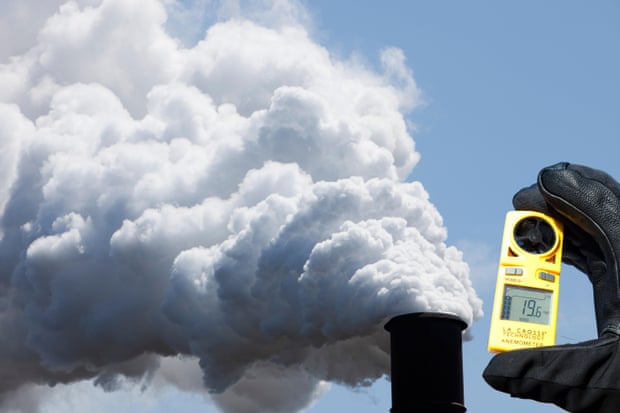
Net zero emissions is a target that has been adopted by governments, companies and other organisations to eliminate their contribution to the climate crisis. It is sometimes called “carbon neutrality”.
The climate crisis is caused by carbon dioxide and other greenhouse gases being pumped into the atmosphere, where they trap heat. They have already caused a significant increase in average global temperatures above pre-industrial levels recorded since the mid-20th century.
Countries and others that set net zero emissions targets are pledging to stop their role in worsening this by cutting their climate pollution and balancing out whatever emissions remain by sucking an equivalent amount of CO2 out of the atmosphere.
This could happen through nature projects – tree planting, for example – or using carbon dioxide removal technology.
CO2 removal from the atmosphere is the “net” part in net zero. Scientists say some emissions will be hard to stop and will need to be offset. But they also say net zero targets will be effective only if carbon removal is limited to offset “hard to abate” emissions. Fossil use will still need to be dramatically reduced.
After signing the 2015 Paris agreement, the global community asked the Intergovernmental Panel on Climate Change (IPCC) to assess what would be necessary to give the world a chance of limiting global heating to 1.5C.
The IPCC found it would require deep cuts in global CO2 emissions: to about 45% below 2010 levels by 2030, and to net zero by about 2050.
The Climate Action Tracker has found more than 145 countries have set or are considering setting net zero emissions targets.
Photograph: Ashley Cooper pics/www.alamy.com
The alliance’s national coordinator, Carmel Flint, added: “It’s not just history that will judge the government harshly if they continue approving such projects following this report. Our courts are likely to as well.”
The NSW Minerals Council criticised the commission’s report. Its chief executive, Stephen Galilee, said it was a “flawed and superficial analysis” that put thousands of coalmining jobs at risk. He said some coalmines would close in the years ahead but was “no reason” not to approve outstanding applications to extend the operating life of about 10 mines.
Galilee said emissions from coal in NSW were falling faster than the average rate of emission reduction across the state and were “almost fully covered” by the federal government’s safeguard mechanism policy, which required mine owners to either make annual direct emissions cuts or buy offsets.
He said the NSW government should “reflect on why it provides nearly $7m annually” for the commission to “campaign against thousands of NSW mining jobs”.
But the state’s main environment organisation, the Nature Conservation Council of NSW, said the commission report showed coalmining was “incompatible with a safe climate future”.
“The Net Zero Commission has shone a spotlight. Now the free ride for coalmine pollution has to end,” the council’s chief executive, Jacqui Mumford, said.
The state climate change and energy minister, Penny Sharpe, said the commission was established to monitor, report and provide independent advice on how the state was meeting its legislated emissions targets, and the government would consider its advice “along with advice from other groups and agencies”.