

Brown bears in central Italy are becoming less aggressive
According to a new study, Apennine brown bears have become less aggressive and smaller in size after a long history of close proximity to humans. Image via Marco Tersigni/ Wikipedia (CC BY 2.0). Brown bears in central Italy are becoming less aggressive For generations, brown bears in central Italy have adjusted their behavior to survive in a landscape increasingly dominated by humans. Now, an international team of researchers led by the University of Ferrara has revealed that living in close quarters with villages and human activity has led to genetic changes in the bears. They said on December 15, 2025, that the brown bears today are less aggressive and physically smaller than their ancestors. The DNA studies also show that this isolated and endangered population of bears has less diversity in its genetic makeup and higher rates of inbreeding. The scientists published their peer-reviewed study in the journal Molecular Biology and Evolution on December 15, 2025. The research focuses on Apennine brown bears (Ursus arctos marsicanus), which live exclusively in central Italy. Apennine brown bears shaped by history The Apennine brown bears form a small and isolated population with a long history of close proximity to human communities. Previous research indicates this population split from other European brown bears between 2,000 and 3,000 years ago. And it has remained isolated since Roman times. Over the centuries, human presence has had a direct impact on the habitat of these bears. The expansion of agriculture, forest clearing and the growth of settlements reduced and fragmented forests. This limited the available space for bears, affecting their ability to find food and reproduce. According to the authors, these landscape transformations were decisive in shaping the population’s history of isolation. Co-lead author Andrea Benazzo of the University of Ferrara said: One of the main factors driving isolation and decline was probably deforestation associated with the expansion of agriculture and increasing human density in central Italy. Apennine brown bears became isolated following human expansion. Consequently, their genetic diversity has reduced and rate of inbreeding has increased. Image via Bruno D’Amicis/ Molecular Biology and Evolution/ EurekAlert! A look at the bears’ DNA To understand how the bears changed over time, researchers analyzed their DNA: the set of genetic instructions that influence body development and certain behaviors. To do this, the team created a high-quality “reference genome” for the Apennine brown bear. It serves as a detailed map of its genetic material. Plus, it allows researchers to detect differences between individuals and populations. So scientists sequenced the DNA of several bears from this population and compared it with DNA from a much larger population of brown bears in Slovakia. They also compared the Italian bears’ DNA with previously published genomes from North American bears. This comparison made it possible to identify recent genetic changes and distinguish which traits are unique to Apennine brown bears. Genomic analyses show that – due to their isolation and small population size – Apennine brown bears exhibit high levels of inbreeding. Consequently, they have less genetic diversity, in contrast to other brown bear populations. Inbreeding occurs when related individuals reproduce with one another, a common situation in small and isolated populations. Unfortunately, inbreeding can increase the risk of health problems and reduce the ability to adapt to environmental changes. Human pressure as an adaptive force For generations, human presence in the Apennine forests exerted lethal pressure on the bear population. Larger and more aggressive individuals were more likely to come into conflict with people. So they were more frequently hunted or eliminated. Over time, this selective hunting drastically reduced the presence of such bears, favoring the survival and reproduction of smaller, less aggressive individuals. And so it resulted in a population with distinctive physical and behavioral traits. The study detected clear signs of selection in genes related to behavior, indicating that this systematic removal left a genetic imprint. According to co-lead author Giulia Fabbri of the University of Ferrara: The removal or displacement of more aggressive bears by humans likely drove the emergence of less conflict-prone individuals, reflecting how human interaction can shape the behavior of a species. Throughout their history, the larger, more aggressive bears were the targets of hunters. Thus, these bears evolved to be smaller and less aggressive. And over time, the Apennine bear population has exhibited distinctive physical and behavioral traits. Image via Mykola Pokalyuk/ Wikipedia (CC BY-SA 4.0). Conserving a genetically unique population The study shows human presence had contrasting effects on Apennine bears. On the one hand, human pressure favored traits that reduce conflict with people, such as less aggressive behavior and smaller body size. On the other hand, the population experienced a demographic decline and genetic erosion, increasing its vulnerability to extinction. The researchers emphasize that populations heavily affected by human activities still harbor unique genetic variants that deserve protection. Giorgio Bertorelle, professor of genetics at the University of Ferrara, explained: Even populations that have been strongly affected by human activities may harbor unique genetic variants that should be protected, for example by avoiding their dilution through the introduction of individuals from other regions. These genetic adaptations are valuable and should be taken into account when planning conservation strategies to preserve the population’s genetic identity. Apennine brown bears at risk of isolation and inbreeding At the same time, the population also faces risks stemming from its isolation and small size, particularly inbreeding. Reproduction between related individuals can increase the expression of harmful recessive genes. And that reduces the overall health and adaptive capacity in Apennine brown bears. In this sense, inbreeding is an important factor to consider when assessing the population’s long-term viability. However, the authors note that in populations that have remained small for long periods, some highly deleterious mutations might have been eliminated by natural selection, which does not remove the risk but does moderate its impact. This case illustrates one of the classic dilemmas of conservation biology: whether to intervene to increase genetic variability and reduce the risks of inbreeding, or to preserve a genetically singular population that has developed unique adaptations to its environment. Neither option is risk-free, and conservation decisions must balance long-term genetic health with the preservation of an irreplaceable evolutionary identity. Isolation increases inbreeding risk in Apennine brown bears, potentially reducing population health. This presents conservationists a difficult choice between genetic rescue and preserving a unique lineage. Image via Leonio/ Wikipedia (CC BY 3.0). Bottom line: As Apennine brown bears learned to co-exist with humans in central Italy, they evolved to become smaller and less aggressive, according to a new DNA study. Source: Molecular Biology and Evolution: Coexisting With Humans: Genomic and Behavioral Consequences in a Small and Isolated Bear Population Via EurekAlert! Read more: Polar bears have unique ice-repelling furThe post Brown bears in central Italy are becoming less aggressive first appeared on EarthSky.
As Apennine brown bears learned to co-exist with humans in central Italy, they evolved to become smaller and less aggressive, according to a new DNA study. The post Brown bears in central Italy are becoming less aggressive first appeared on EarthSky.
Brown bears in central Italy are becoming less aggressive
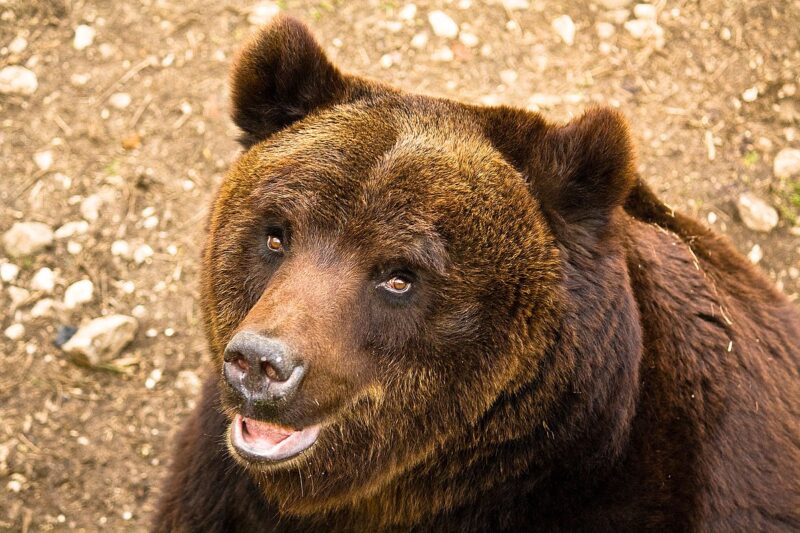
For generations, brown bears in central Italy have adjusted their behavior to survive in a landscape increasingly dominated by humans. Now, an international team of researchers led by the University of Ferrara has revealed that living in close quarters with villages and human activity has led to genetic changes in the bears.
They said on December 15, 2025, that the brown bears today are less aggressive and physically smaller than their ancestors. The DNA studies also show that this isolated and endangered population of bears has less diversity in its genetic makeup and higher rates of inbreeding.
The scientists published their peer-reviewed study in the journal Molecular Biology and Evolution on December 15, 2025. The research focuses on Apennine brown bears (Ursus arctos marsicanus), which live exclusively in central Italy.
Apennine brown bears shaped by history
The Apennine brown bears form a small and isolated population with a long history of close proximity to human communities. Previous research indicates this population split from other European brown bears between 2,000 and 3,000 years ago. And it has remained isolated since Roman times.
Over the centuries, human presence has had a direct impact on the habitat of these bears. The expansion of agriculture, forest clearing and the growth of settlements reduced and fragmented forests. This limited the available space for bears, affecting their ability to find food and reproduce. According to the authors, these landscape transformations were decisive in shaping the population’s history of isolation. Co-lead author Andrea Benazzo of the University of Ferrara said:
One of the main factors driving isolation and decline was probably deforestation associated with the expansion of agriculture and increasing human density in central Italy.
A look at the bears’ DNA
To understand how the bears changed over time, researchers analyzed their DNA: the set of genetic instructions that influence body development and certain behaviors. To do this, the team created a high-quality “reference genome” for the Apennine brown bear. It serves as a detailed map of its genetic material. Plus, it allows researchers to detect differences between individuals and populations.
So scientists sequenced the DNA of several bears from this population and compared it with DNA from a much larger population of brown bears in Slovakia. They also compared the Italian bears’ DNA with previously published genomes from North American bears. This comparison made it possible to identify recent genetic changes and distinguish which traits are unique to Apennine brown bears.
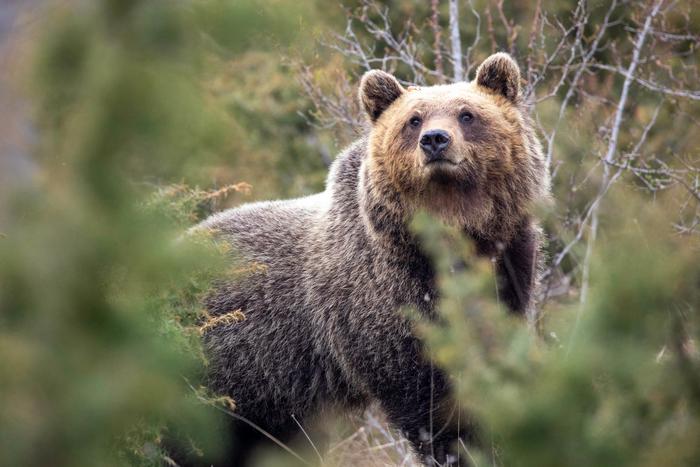
Genomic analyses show that – due to their isolation and small population size – Apennine brown bears exhibit high levels of inbreeding. Consequently, they have less genetic diversity, in contrast to other brown bear populations.
Inbreeding occurs when related individuals reproduce with one another, a common situation in small and isolated populations. Unfortunately, inbreeding can increase the risk of health problems and reduce the ability to adapt to environmental changes.
Human pressure as an adaptive force
For generations, human presence in the Apennine forests exerted lethal pressure on the bear population. Larger and more aggressive individuals were more likely to come into conflict with people. So they were more frequently hunted or eliminated. Over time, this selective hunting drastically reduced the presence of such bears, favoring the survival and reproduction of smaller, less aggressive individuals. And so it resulted in a population with distinctive physical and behavioral traits.
The study detected clear signs of selection in genes related to behavior, indicating that this systematic removal left a genetic imprint. According to co-lead author Giulia Fabbri of the University of Ferrara:
The removal or displacement of more aggressive bears by humans likely drove the emergence of less conflict-prone individuals, reflecting how human interaction can shape the behavior of a species.
Conserving a genetically unique population
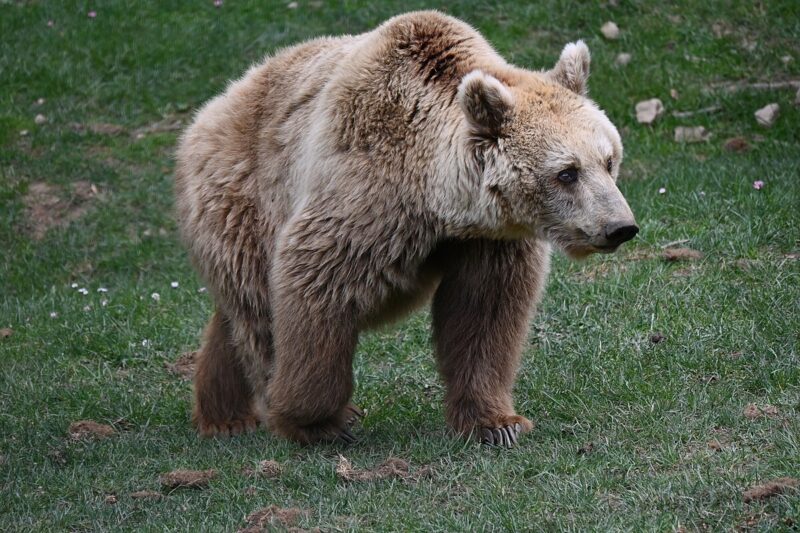
The study shows human presence had contrasting effects on Apennine bears. On the one hand, human pressure favored traits that reduce conflict with people, such as less aggressive behavior and smaller body size. On the other hand, the population experienced a demographic decline and genetic erosion, increasing its vulnerability to extinction.
The researchers emphasize that populations heavily affected by human activities still harbor unique genetic variants that deserve protection. Giorgio Bertorelle, professor of genetics at the University of Ferrara, explained:
Even populations that have been strongly affected by human activities may harbor unique genetic variants that should be protected, for example by avoiding their dilution through the introduction of individuals from other regions.
These genetic adaptations are valuable and should be taken into account when planning conservation strategies to preserve the population’s genetic identity.
Apennine brown bears at risk of isolation and inbreeding
At the same time, the population also faces risks stemming from its isolation and small size, particularly inbreeding. Reproduction between related individuals can increase the expression of harmful recessive genes. And that reduces the overall health and adaptive capacity in Apennine brown bears. In this sense, inbreeding is an important factor to consider when assessing the population’s long-term viability.
However, the authors note that in populations that have remained small for long periods, some highly deleterious mutations might have been eliminated by natural selection, which does not remove the risk but does moderate its impact.
This case illustrates one of the classic dilemmas of conservation biology: whether to intervene to increase genetic variability and reduce the risks of inbreeding, or to preserve a genetically singular population that has developed unique adaptations to its environment. Neither option is risk-free, and conservation decisions must balance long-term genetic health with the preservation of an irreplaceable evolutionary identity.
Bottom line: As Apennine brown bears learned to co-exist with humans in central Italy, they evolved to become smaller and less aggressive, according to a new DNA study.
Read more: Polar bears have unique ice-repelling fur
The post Brown bears in central Italy are becoming less aggressive first appeared on EarthSky.