

Our Biggest Farming Stories of 2025
When we started Civil Eats, we sought to report on farming from a different perspective, focusing on underrepresented voices and issues. This year, most American farmers faced significant challenges, and we strove to tell their stories. Federal budget cuts were a major disruption, impacting USDA grants that helped farmers build soil health, increase biodiversity, generate renewable energy, and sell their crops to local schools and food banks, among other projects. Trump’s tariffs created more headaches for farmers, particularly soybean producers, who saw their biggest buyer—China—walk away during the trade fight as their costs for fertilizer and other materials increased. Farming groups also protested when the Trump administration announced it would import 80,000 metric tons of beef from Argentina, about four times the regular quota. We also identified as many solutions as we could in this turbulent year by highlighting farmers’ extraordinary resilience and resourcefulness, from finding sustainable ways to grow food to fighting corporate consolidation to opening their own meat-processing cooperative. Here are our biggest farming stories of 2025, in chronological order. Farmers Need Help to Survive. A New Crop of Farm Advocates Is on the Way. Farmers with expertise in law and finance have long guided the farming community through tough situations, but their numbers have been dropping. Now, thanks to federally funded training, farm advocates are coming back. California Decides What ‘Regenerative Agriculture’ Means. Sort of. A new definition for an old way of farming may help California soil, but it won’t mean organic. Butterbee Farm, in Maryland, has received several federal grants that have been crucial for the farm’s survival. (Photo credit: L.A. Birdie Photography) Trump’s Funding Freeze Creates Chaos and Financial Distress for Farmers Efforts to transition farms to regenerative agriculture are stalled, and the path forward is unclear. How Trump’s Tariffs Will Affect Farmers and Food Prices Economists say tariffs will likely lead to higher food prices, while farmers are worried about fertilizer imports and their export markets. USDA Continues to Roll Out Deeper Cuts to Farm Grants: A List In addition to the end of two local food programs that support schools and food banks sourcing from small farms, more cuts are likely. USDA Prioritizes Economic Relief for Commodity Farmers The agency announced it will roll out economic relief payments to growers of corn, soybeans, oilseeds, and other row crops. Will Local Food Survive Trump’s USDA? Less than two months in, Trump’s USDA is bulldozing efforts that help small farms and food producers sell healthy food directly to schools, food banks, and their local communities. USDA Unfreezes Energy Funds for Farmers, but Demands They Align on DEI USDA is requesting farmers make changes to their projects so that they align with directives on energy production and DEI, a task experts say may not be legal or possible. Ranchers herd cattle across open range in the Sangre de Cristo Mountains, New Mexico, where conservation initiatives help restore grasslands and protect water resources. (Photo courtesy Ariel Greenwood) Trump Announces Higher Tariffs on Major Food and Agricultural Trade Partners The president says the tariffs will boost American manufacturing and make the country wealthy, but many expect farmers to suffer losses and food prices to rise. USDA Introduces Policy Agenda Focused on Small Farms Agriculture Secretary Brooke Rollins rolls out a 10-point plan that includes environmental deregulation and utilizing healthy food programs that have recently lost funding. USDA Drops Rules Requiring Farmers to Record Their Use of the Most Toxic Pesticides Pesticide watchdog groups say the regulations should be strengthened, not thrown out. Conservation Work on Farms and Ranches Could Take a Hit as USDA Cuts Staff Close to 2,400 employees of the Natural Resources Conservation Service have accepted an offer to resign, leaving fewer hands to protect rural landscapes. USDA Cancels Additional Grants Funding Land Access and Training for Young Farmers The future of other awards in the Increasing Land, Capital, and Market Access Program remains unclear. House Bill Would Halt Assessment of PFAS Risk on Farms The bill also strengthens EPA authority around pesticide labeling, which could prevent states from adopting their own versions of labels. Should Regenerative Farmers Pin Hopes on RFK Jr.’s MAHA? While the Make America Health Again movement supports alternative farming, few of Trump’s policies promote healthy agricultural landscapes. A leaked version of the second MAHA Commission Report underscores these concerns. Minnesota Governor Tim Walz, the Democratic nominee for vice president in 2024, introduces Willie Nelson at Farm Aid’s 40th anniversary this year, in St. Paul, Minnesota. (Photo credit: Lisa Held) At 40, Farm Aid Is Still About Music. It’s Also a Movement. Willie Nelson launched the music festival in 1985 as a fundraiser to save family farms. With corporate consolidation a continuing threat to farms, it’s now a platform for populist organizing, too. Agriculture Secretary Confirms US Plan to Buy Beef from Argentina Brooke Rollins on Tuesday defended a Trump administration plan that has ignited criticism from farm groups and some Republicans. For Farmers, the Government Shutdown Adds More Challenges With no access to local ag-related offices, critical loans, or disaster assistance, farmers are facing even more stressors. Farmers Struggle With Tariffs, Despite China Deal to Buy US Soybeans While the Supreme Court considers Trump’s tariffs, the farm economy falters. This Farmer-Owned Meat Processing Co-op in Tennessee Changes the Game A Q&A with Lexy Close of the Appalachian Producers Cooperative, who says the new facility has dramatically decreased processing wait times and could revive the area’s local meat economy. Farmers Face Prospect of Skyrocketing Healthcare Premiums More than a quarter of U.S. farmers rely on the Affordable Care Act, but Biden-era tax credits expire at the end of the year. After 150 Years, California’s Sugar Beet Industry Comes to an End The Imperial Valley might be the best place in the world to grow beets. What went wrong? Trump Farmer Bailout Primarily Benefits Commodity Farms Of the $12 billion the administration will send to farmers, $11 billion is reserved for ranchers and major row crop farmers. The post Our Biggest Farming Stories of 2025 appeared first on Civil Eats.
Trump’s tariffs created more headaches for farmers, particularly soybean producers, who saw their biggest buyer—China—walk away during the trade fight as their costs for fertilizer and other materials increased. Farming groups also protested when the Trump administration announced it would import 80,000 metric tons of beef from Argentina, about four times the regular quota. We […] The post Our Biggest Farming Stories of 2025 appeared first on Civil Eats.
When we started Civil Eats, we sought to report on farming from a different perspective, focusing on underrepresented voices and issues. This year, most American farmers faced significant challenges, and we strove to tell their stories. Federal budget cuts were a major disruption, impacting USDA grants that helped farmers build soil health, increase biodiversity, generate renewable energy, and sell their crops to local schools and food banks, among other projects.
Trump’s tariffs created more headaches for farmers, particularly soybean producers, who saw their biggest buyer—China—walk away during the trade fight as their costs for fertilizer and other materials increased. Farming groups also protested when the Trump administration announced it would import 80,000 metric tons of beef from Argentina, about four times the regular quota.
We also identified as many solutions as we could in this turbulent year by highlighting farmers’ extraordinary resilience and resourcefulness, from finding sustainable ways to grow food to fighting corporate consolidation to opening their own meat-processing cooperative.
Here are our biggest farming stories of 2025, in chronological order.
Farmers Need Help to Survive. A New Crop of Farm Advocates Is on the Way.
Farmers with expertise in law and finance have long guided the farming community through tough situations, but their numbers have been dropping. Now, thanks to federally funded training, farm advocates are coming back.
California Decides What ‘Regenerative Agriculture’ Means. Sort of.
A new definition for an old way of farming may help California soil, but it won’t mean organic.
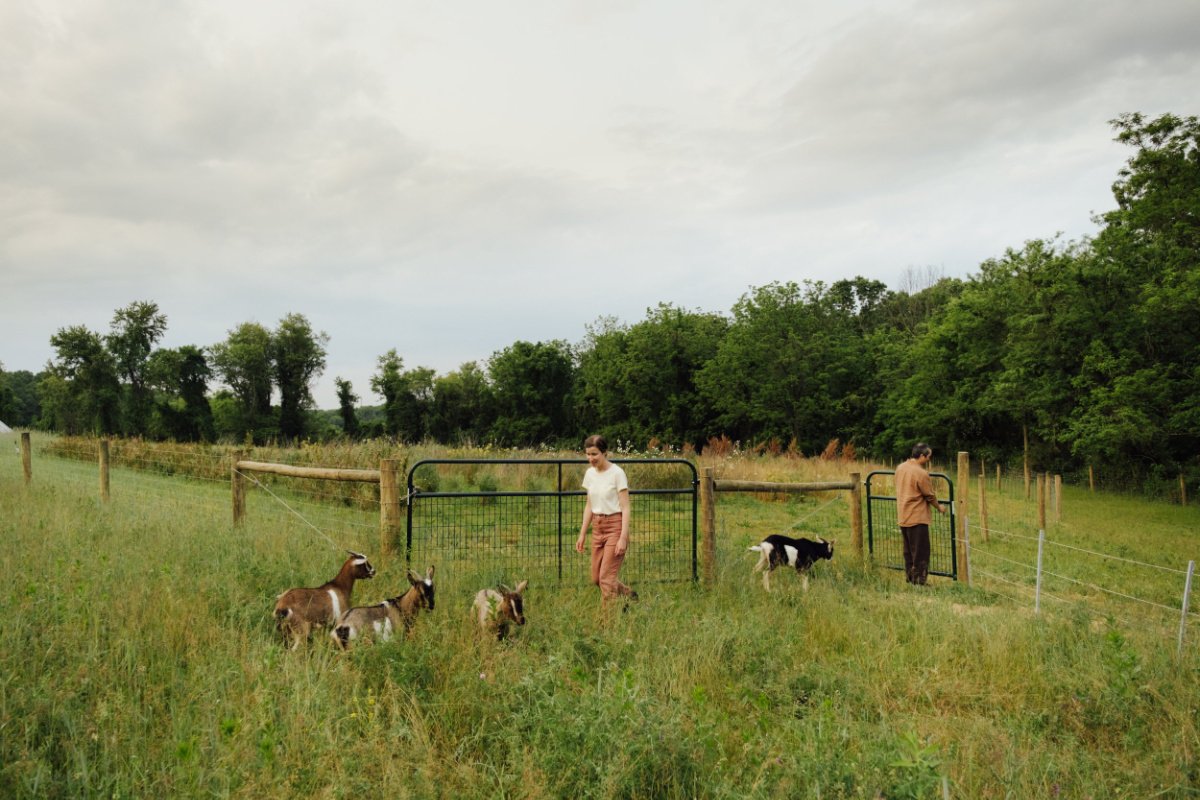
Butterbee Farm, in Maryland, has received several federal grants that have been crucial for the farm’s survival. (Photo credit: L.A. Birdie Photography)
Trump’s Funding Freeze Creates Chaos and Financial Distress for Farmers
Efforts to transition farms to regenerative agriculture are stalled, and the path forward is unclear.
How Trump’s Tariffs Will Affect Farmers and Food Prices
Economists say tariffs will likely lead to higher food prices, while farmers are worried about fertilizer imports and their export markets.
USDA Continues to Roll Out Deeper Cuts to Farm Grants: A List
In addition to the end of two local food programs that support schools and food banks sourcing from small farms, more cuts are likely.
USDA Prioritizes Economic Relief for Commodity Farmers
The agency announced it will roll out economic relief payments to growers of corn, soybeans, oilseeds, and other row crops.
Will Local Food Survive Trump’s USDA?
Less than two months in, Trump’s USDA is bulldozing efforts that help small farms and food producers sell healthy food directly to schools, food banks, and their local communities.
USDA Unfreezes Energy Funds for Farmers, but Demands They Align on DEI
USDA is requesting farmers make changes to their projects so that they align with directives on energy production and DEI, a task experts say may not be legal or possible.
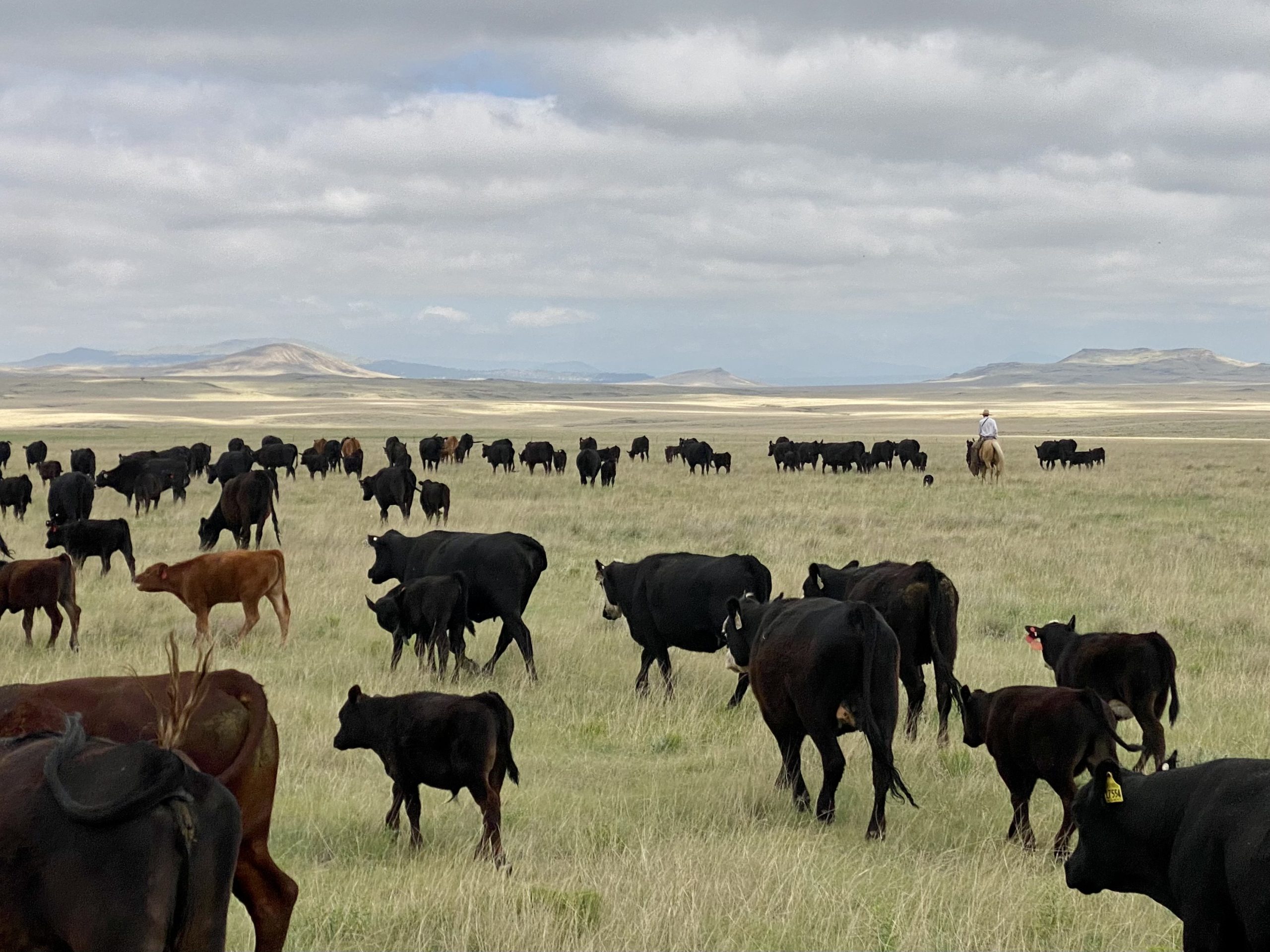
Ranchers herd cattle across open range in the Sangre de Cristo Mountains, New Mexico, where conservation initiatives help restore grasslands and protect water resources. (Photo courtesy Ariel Greenwood)
Trump Announces Higher Tariffs on Major Food and Agricultural Trade Partners
The president says the tariffs will boost American manufacturing and make the country wealthy, but many expect farmers to suffer losses and food prices to rise.
USDA Introduces Policy Agenda Focused on Small Farms
Agriculture Secretary Brooke Rollins rolls out a 10-point plan that includes environmental deregulation and utilizing healthy food programs that have recently lost funding.
USDA Drops Rules Requiring Farmers to Record Their Use of the Most Toxic Pesticides
Pesticide watchdog groups say the regulations should be strengthened, not thrown out.
Conservation Work on Farms and Ranches Could Take a Hit as USDA Cuts Staff
Close to 2,400 employees of the Natural Resources Conservation Service have accepted an offer to resign, leaving fewer hands to protect rural landscapes.
USDA Cancels Additional Grants Funding Land Access and Training for Young Farmers
The future of other awards in the Increasing Land, Capital, and Market Access Program remains unclear.
House Bill Would Halt Assessment of PFAS Risk on Farms
The bill also strengthens EPA authority around pesticide labeling, which could prevent states from adopting their own versions of labels.
Should Regenerative Farmers Pin Hopes on RFK Jr.’s MAHA?
While the Make America Health Again movement supports alternative farming, few of Trump’s policies promote healthy agricultural landscapes. A leaked version of the second MAHA Commission Report underscores these concerns.
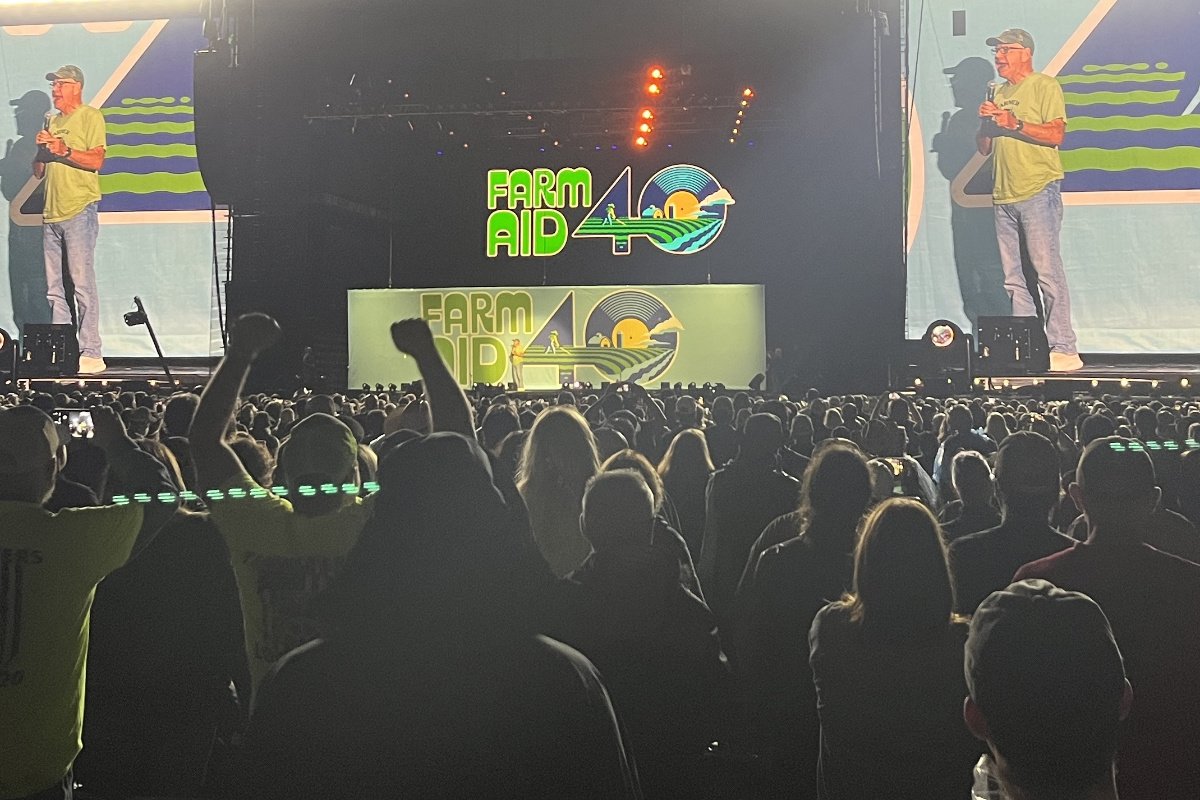
Minnesota Governor Tim Walz, the Democratic nominee for vice president in 2024, introduces Willie Nelson at Farm Aid’s 40th anniversary this year, in St. Paul, Minnesota. (Photo credit: Lisa Held)
At 40, Farm Aid Is Still About Music. It’s Also a Movement.
Willie Nelson launched the music festival in 1985 as a fundraiser to save family farms. With corporate consolidation a continuing threat to farms, it’s now a platform for populist organizing, too.
Agriculture Secretary Confirms US Plan to Buy Beef from Argentina
Brooke Rollins on Tuesday defended a Trump administration plan that has ignited criticism from farm groups and some Republicans.
For Farmers, the Government Shutdown Adds More Challenges
With no access to local ag-related offices, critical loans, or disaster assistance, farmers are facing even more stressors.
Farmers Struggle With Tariffs, Despite China Deal to Buy US Soybeans
While the Supreme Court considers Trump’s tariffs, the farm economy falters.
This Farmer-Owned Meat Processing Co-op in Tennessee Changes the Game
A Q&A with Lexy Close of the Appalachian Producers Cooperative, who says the new facility has dramatically decreased processing wait times and could revive the area’s local meat economy.
Farmers Face Prospect of Skyrocketing Healthcare Premiums
More than a quarter of U.S. farmers rely on the Affordable Care Act, but Biden-era tax credits expire at the end of the year.
After 150 Years, California’s Sugar Beet Industry Comes to an End
The Imperial Valley might be the best place in the world to grow beets. What went wrong?
Trump Farmer Bailout Primarily Benefits Commodity Farms
Of the $12 billion the administration will send to farmers, $11 billion is reserved for ranchers and major row crop farmers.
The post Our Biggest Farming Stories of 2025 appeared first on Civil Eats.