

This once-toxic industrial wasteland could become Portland’s most expansive botanical gardens
People are invited to comment through Jan. 30 on the proposal to convert the McCormick & Baxter Superfund site, a former creosote wood treating facility in North Portland, into educational botanical gardens open to the public on the east bank of the Willamette River.The nonprofit organization Portland Botanical Gardens, which hopes to purchase the 59-acre site, also proposes to develop a greenspace along the waterfront, extending the Willamette River greenway and water trail, and access to the river.The former McCormick & Baxter Creosoting Co. property at 6900 N. Edgewater Ave. is adjacent to the University of Portland Franz River Campus and just south of the future Willamette Cove Natural Area.The once-contaminated facility is considered safe for people, animals and plants after a cleanup project was completed in 2005, according to the Oregon Department of Environmental Quality (DEQ) and federal Environmental Protection Agency. Because the property is a Superfund site, both agencies will continue environmental monitoring and long-term protections. The agencies will require the new owner to follow site restrictions, meet monitoring requirements and submit development plans for review.Portland Botanical Gardens, formed in 2020, has worked toward securing at least $3 million for the initial development and operations of the gardens. The organization has conceptual plans and submitted a proposal to acquire the site, according Matt Taylor, the nonprofit’s executive director. The Portland Botanical Gardens‘ consent order gives the nonprofit certain liability protections related to the previous contamination in return for providing a substantial public benefit.The property was last appraised at $2.39 million. DEQ reached an agreement with Portland Botanical Gardens to recover 50% of the fair market value — which is $1.195 million — as partial reimbursement for past cleanup costs. The EPA will negotiate a separate agreement with Portland Botanical Gardens.If approved, the DEQ payment will go to Oregon’s industrial orphan site fund, which DEQ can use toward further remedial action or habitat improvements to the riparian forest and the site’s rocky beach area, according to DEQ.Property owner McCormick & Baxter Creosoting, which declared bankruptcy in 1991, will not receive any compensation.DEQ will consider all written and verbal comments received by Jan. 30 before making a final decision regarding the proposed sale. People can learn more about the project, ask questions and make comments to DEQ and Portland Botanical Gardens representatives during a virtual public meeting 6-7:30 p.m. Thursday, Jan. 8 (register to join on Zoom at deq-oregon-gov.zoom.us).Two prior comment sessions took place Dec. 11 and Dec. 16.People can view the documents in person at a DEQ office (700 N.E. Multnomah St., Suite 600 in Portland) or request language interpretation by contacting Sarah Miller at sarah.miller@deq.oregon.gov or 503-863-0561.History of the siteThe McCormick & Baxter creosote plant Superfund site in N. Portland, seen here on Fri., April 26, 2024, may eventually become the location of the Portland Botanical Gardens. The proposed project that would fill the area between Metro’s Willamette Cove property and the University of Portland’s Franz River campus.Dave Killen / The OregonianThe McCormick & Baxter Creosoting Co. operated between 1944 and 1991, treating wood products with creosote, pentachlorophenol and inorganic preservatives such as arsenic, copper, chromium and zinc.The site was heavily contaminated and wastewater from the process was discharged directly to the Willamette River and in upland soils, according to DEQ. Timeline1983: DEQ initiated investigations of the site after federal and state cleanup laws were launched in the early 1980s.1991: McCormick & Baxter Creosoting Co. declared bankruptcy. 1992: Due to significant human health and environmental risk, DEQ declared the property as an orphan site since the company responsible for the contamination was unable or unwilling to pay for needed cleanup actions.DEQ removal measures included demolishing the plant, removing sludge and soil, and extracting creosote from groundwater. Between 1989 and 2011, approximately 6,200 gallons of creosote was removed from groundwater and disposed offsite.1994: The EPA placed the site on the National Priorities List and designated DEQ as the lead agency for implementing the cleanup while funding for remedial design and construction was provided by EPA. Throughout the 1990s and early 2000s: DEQ and EPA conducted preliminary studies and design work, including a cleanup plan and remedial design. 2005: Cleanup was deemed completed. The project included construction of an 18-acre underground groundwater barrier wall to prevent migration of pollution from the site to the river and capping contaminated sediment in the Willamette River. More than 33,000 tons of soil was removed and replaced by two feet of clean soil across the entire site. Areas with highly contaminated surface soils were removed to a depth of four feet, according to DEQ. To prevent rainwater from entering the interior of the barrier wall isolating contaminated groundwater, a 16-acre engineered impermeable cap with a stormwater discharge system was placed above the barrier wall footprint. To protect the cap from erosion, it is covered with an armoring layer made of large rock and articulated concrete blocks. This also included re-grading the riverbank and adding two feet of topsoil to cap the shoreline.2006: The capped riverbank was planted with native trees and shrubs after the soil was stabilized with the native grasses.April 2024: Portland Botanical Gardens entered into a purchase and sale agreement with the current property owner. The prospective purchaser agreement requires Portland Botanical Gardens to take over a portion of the onsite operations and maintenance of the riparian area vegetation, site security and ensuring that the upland cap is not disturbed.May 2024: DEQ received a legally binding agreement application from Portland Botanical Gardens to purchase and redevelop the property. Ongoing: According to the Portland Botanical Gardens news release, DEQ’s ongoing obligations include repair and maintenance of remedial infrastructure like the impermeable liner and associated underdrain.Work also includes all components of the sediment cap that covers much of the property below the ordinary high water line of the Willamette River.DEQ continues to maintain the site with annual sampling and general property maintenance. Annual reports, project documents and site information are available on Your DEQ Online and Oregon Records Management Solution.EPA and DEQ perform a review every five years to determine whether the cleanup remedy is functioning properly. The next Five-Year Review is underway and will be published in 2026.
After decades of contamination and a massive cleanup effort, the former McCormick & Baxter site may transform into a scenic public space along the Willamette River.
People are invited to comment through Jan. 30 on the proposal to convert the McCormick & Baxter Superfund site, a former creosote wood treating facility in North Portland, into educational botanical gardens open to the public on the east bank of the Willamette River.
The nonprofit organization Portland Botanical Gardens, which hopes to purchase the 59-acre site, also proposes to develop a greenspace along the waterfront, extending the Willamette River greenway and water trail, and access to the river.
The former McCormick & Baxter Creosoting Co. property at 6900 N. Edgewater Ave. is adjacent to the University of Portland Franz River Campus and just south of the future Willamette Cove Natural Area.
The once-contaminated facility is considered safe for people, animals and plants after a cleanup project was completed in 2005, according to the Oregon Department of Environmental Quality (DEQ) and federal Environmental Protection Agency.
Because the property is a Superfund site, both agencies will continue environmental monitoring and long-term protections.
The agencies will require the new owner to follow site restrictions, meet monitoring requirements and submit development plans for review.
Portland Botanical Gardens, formed in 2020, has worked toward securing at least $3 million for the initial development and operations of the gardens. The organization has conceptual plans and submitted a proposal to acquire the site, according Matt Taylor, the nonprofit’s executive director.
The Portland Botanical Gardens‘ consent order gives the nonprofit certain liability protections related to the previous contamination in return for providing a substantial public benefit.
The property was last appraised at $2.39 million. DEQ reached an agreement with Portland Botanical Gardens to recover 50% of the fair market value — which is $1.195 million — as partial reimbursement for past cleanup costs. The EPA will negotiate a separate agreement with Portland Botanical Gardens.
If approved, the DEQ payment will go to Oregon’s industrial orphan site fund, which DEQ can use toward further remedial action or habitat improvements to the riparian forest and the site’s rocky beach area, according to DEQ.
Property owner McCormick & Baxter Creosoting, which declared bankruptcy in 1991, will not receive any compensation.
DEQ will consider all written and verbal comments received by Jan. 30 before making a final decision regarding the proposed sale.
People can learn more about the project, ask questions and make comments to DEQ and Portland Botanical Gardens representatives during a virtual public meeting 6-7:30 p.m. Thursday, Jan. 8 (register to join on Zoom at deq-oregon-gov.zoom.us).
Two prior comment sessions took place Dec. 11 and Dec. 16.
People can view the documents in person at a DEQ office (700 N.E. Multnomah St., Suite 600 in Portland) or request language interpretation by contacting Sarah Miller at sarah.miller@deq.oregon.gov or 503-863-0561.
History of the site
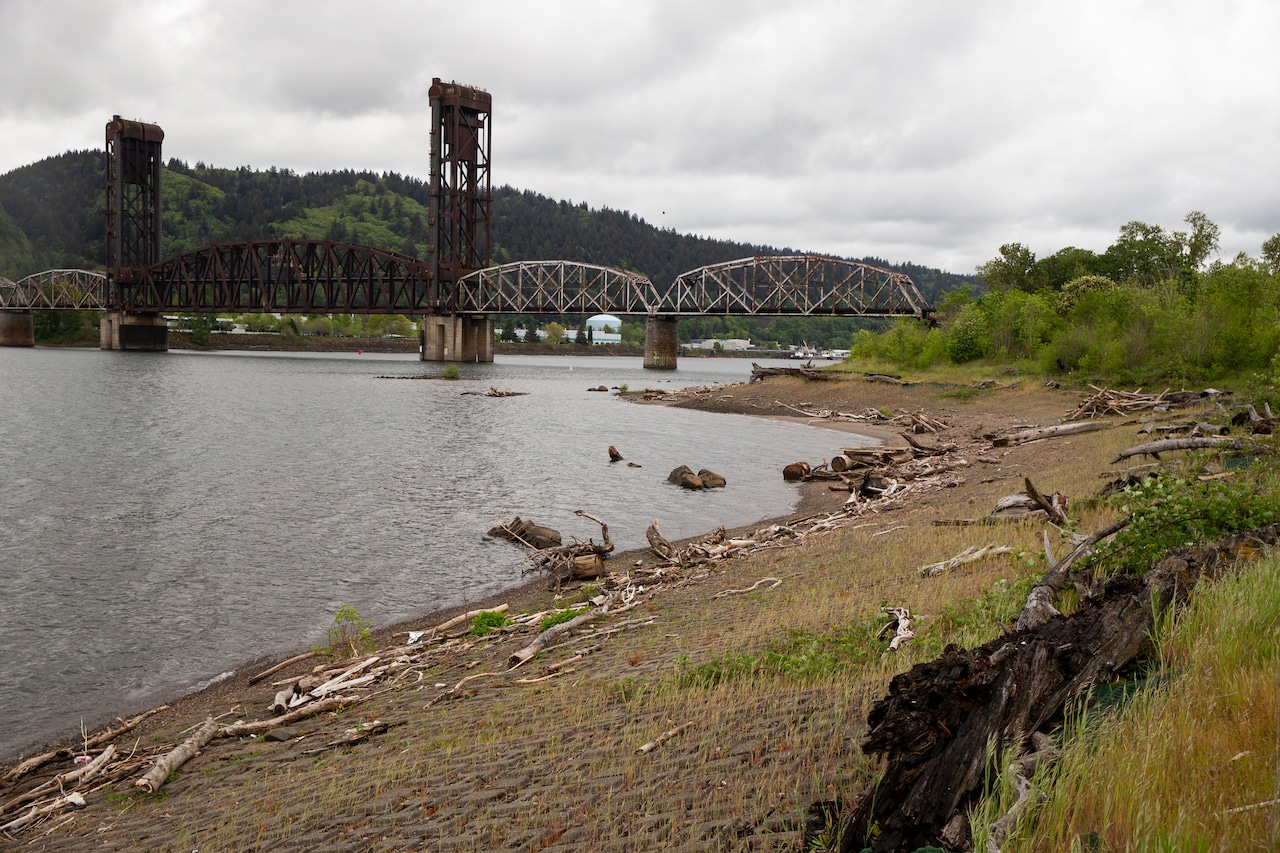
The McCormick & Baxter Creosoting Co. operated between 1944 and 1991, treating wood products with creosote, pentachlorophenol and inorganic preservatives such as arsenic, copper, chromium and zinc.
The site was heavily contaminated and wastewater from the process was discharged directly to the Willamette River and in upland soils, according to DEQ.
Timeline
1983: DEQ initiated investigations of the site after federal and state cleanup laws were launched in the early 1980s.
1991: McCormick & Baxter Creosoting Co. declared bankruptcy.
1992: Due to significant human health and environmental risk, DEQ declared the property as an orphan site since the company responsible for the contamination was unable or unwilling to pay for needed cleanup actions.
DEQ removal measures included demolishing the plant, removing sludge and soil, and extracting creosote from groundwater. Between 1989 and 2011, approximately 6,200 gallons of creosote was removed from groundwater and disposed offsite.
1994: The EPA placed the site on the National Priorities List and designated DEQ as the lead agency for implementing the cleanup while funding for remedial design and construction was provided by EPA.
Throughout the 1990s and early 2000s: DEQ and EPA conducted preliminary studies and design work, including a cleanup plan and remedial design.
2005: Cleanup was deemed completed. The project included construction of an 18-acre underground groundwater barrier wall to prevent migration of pollution from the site to the river and capping contaminated sediment in the Willamette River.
More than 33,000 tons of soil was removed and replaced by two feet of clean soil across the entire site. Areas with highly contaminated surface soils were removed to a depth of four feet, according to DEQ.
To prevent rainwater from entering the interior of the barrier wall isolating contaminated groundwater, a 16-acre engineered impermeable cap with a stormwater discharge system was placed above the barrier wall footprint.
To protect the cap from erosion, it is covered with an armoring layer made of large rock and articulated concrete blocks. This also included re-grading the riverbank and adding two feet of topsoil to cap the shoreline.
2006: The capped riverbank was planted with native trees and shrubs after the soil was stabilized with the native grasses.
April 2024: Portland Botanical Gardens entered into a purchase and sale agreement with the current property owner.
The prospective purchaser agreement requires Portland Botanical Gardens to take over a portion of the onsite operations and maintenance of the riparian area vegetation, site security and ensuring that the upland cap is not disturbed.
May 2024: DEQ received a legally binding agreement application from Portland Botanical Gardens to purchase and redevelop the property.
Ongoing: According to the Portland Botanical Gardens news release, DEQ’s ongoing obligations include repair and maintenance of remedial infrastructure like the impermeable liner and associated underdrain.
Work also includes all components of the sediment cap that covers much of the property below the ordinary high water line of the Willamette River.
DEQ continues to maintain the site with annual sampling and general property maintenance. Annual reports, project documents and site information are available on Your DEQ Online and Oregon Records Management Solution.
EPA and DEQ perform a review every five years to determine whether the cleanup remedy is functioning properly. The next Five-Year Review is underway and will be published in 2026.