

New Wildlife Books for Children and Teens (That Adults May Find Interesting Too)
Creating excitement about our amazing planet in young people has never been more important. A pack of new books make environmental science fun and fascinating, teaching children, teens, and even some adults just how diverse and rich our planet’s wildlife and their habitats are to behold. Reading them can encourage us all to become better guardians of the Earth. We’ve adapted the books’ official descriptions below and provided links to the publishers’ sites, but you should also be able to find these books in a variety of formats through your local bookstore or library. Insectopolis By Peter Kuper Award-winning cartoonist Peter Kuper transports readers through the 400-million-year history of insects and the remarkable entomologists who have studied them. This visually immersive work of graphic non-fiction dives into a world where ants, cicadas, bees, and butterflies visit a library exhibition that displays their stories and humanity’s connection to them throughout the ages. Layering history and science, color and design, it tells the remarkable tales of dung beetles navigating by the stars, hawk-size prehistoric dragonflies hunting prey, and mosquitoes changing the course of human history. Read our interview with Kuper. They Work: Honey Bees, Nature’s Pollinators By June Smalls and illustrator Yukari Mishima The newest addition to June Smalls’s nature series, this is a gorgeous nonfiction picture book about life for a hive of honeybees, complete with factoids. Readers learn about the beehive queen, who fights to be queen from the moment she breaks out of her cell. Her job is important, but a hive is only successful if many, many bees are working together. Experience the life cycle of the honeybee up close and personal with this striking picture book. Told in a poetic style along with fun facts on each page for older readers wanting a deeper dive, this book is a beautiful exploration of life inside a beehive — as well as the dangers and predators bees face in the world, including humans. Bison: Community Builders and Grassland Caretakers By Frances Backhouse Bison are North America’s largest land animals. Some 170,000 wood bison once roamed northern regions, while at least 30 million plains bison trekked across the rest of the continent. Almost driven to extinction in the 1800s by decades of slaughter and hunting, this ecological and cultural species supports biodiversity and strengthens the ecosystems around it. This book celebrates the traditions and teachings of Indigenous peoples and looks at how bison lovers of all backgrounds came together to save these iconic animals. Learn about the places where bison are regaining a hoof-hold and meet some of the young people welcoming them back home. Many Things Under a Rock: The Mysteries of Octopuses by David Scheel and Laurel ‘Yoyo’ Scheel This compelling middle-grade adaptation dives deep into the mysteries of one of our planet’s most enigmatic animals. Among all the ocean’s creatures, few are more captivating — or more elusive — than the octopus. Marine biologist David Scheel investigates these strange beings to answer long-held questions: How can we learn more about animals whose perfect camouflage and secretive habitats make them invisible to detection? How does an almost-boneless package of muscle and protein defeat sharks, eels, and other predators while also preying on the most heavily armored animals in the sea? How do octopuses’ bodies work? This fascinating book shows young readers how to embrace the wisdom of the unknown — even if it has more arms than expected. Animal Partnerships: Radical Relationships, Unlikely Alliances, and Other Animal Teams By Ben Hoare and Asia Orlando Discover partnerships from across the animal kingdom with unexpected animal teams around the world who thrive in the wild as they defend, feed, and plot with each other to survive. Friendly, informative explanations are paired with striking photographs and colorful illustrations to make every page captivate the imagination. This unique animal book for children offers impressive facts about previously unknown animal behaviors that are guaranteed to wow adults and children alike. Conker and the Monkey Trap By Hannah Peckham Deep in the jungle, a chameleon named Conker finds two animals in need of his help. Though he first wants to run and hide, he remembers what his mom taught him about being kind and helpful to others. Once Conker saves Sanjeet the lost lorikeet from a puddle, the two of them come across a monkey caught in a trap. Conker and his new friend work together to save the day. This sweet rhyming story will teach young readers the value of friendship and helping those in need. There are plenty of points for discussion and those are aided by the probing questions at the back of the book and the various activities. Mollusks By Kaitlyn Salvatore From the Discover More: Marine Wildlife Series. Not all marine wildlife lives completely underwater. While some mollusks do, other species live both above and below the water’s surface. As readers learn about the different classes of mollusks, they uncover how a mollusk’s body allows it to do amazing things, learning about the unique ways different mollusk species, from slugs to squid to clams, contribute to their environments. Their lifestyles, diet, and the threats to their survival come to life through vivid photographs and age-appropriate text. Becoming an Ecologist: Career Pathways in Science By John A. Wiens What influences a person’s decision to pursue a career in science? And what factors determine the many possible pathways a budding scientist chooses to follow? John A. Wiens traces his journeys through several subfields of ecology — and gives readers an inside look at how science works. He shares stories from his development as an ornithologist, community ecologist, landscape ecologist, and conservation scientist, recounting the serendipities, discoveries, and joys of this branching career. Wiens explores how an individual’s background and interests, life’s contingencies, the influences of key people, and the culture of a discipline can all shape a scientist’s trajectory. This book explores why ecologists ask the questions they do, how they go about answering them, and what they do when the answers are not what they expected. Bringing together personal narrative with practical guidance for aspiring ecologists, this book provides a window onto a dynamic scientific field — and inspiration for all readers interested in building a career by following their passion for the natural world, presented in an enticing way for young professionals and students. Enjoy these engaging reads and get young friends and family members involved with activities that support our environment and wildlife. We hope you and your children and grandchildren will be motivated to protect and reclaim our environment through these remarkable books. And there’s more to come: We’ll cover more books for young readers in the months ahead. For hundreds of additional environmental books — including many for kids of all ages — visit the Revelator Reads archives. The post New Wildlife Books for Children and Teens (That Adults May Find Interesting Too) appeared first on The Revelator.
These books for young readers will delight and encourage interest in mammals, insects, octopuses, and other creatures in our shared environment. The post New Wildlife Books for Children and Teens (That Adults May Find Interesting Too) appeared first on The Revelator.
Creating excitement about our amazing planet in young people has never been more important. A pack of new books make environmental science fun and fascinating, teaching children, teens, and even some adults just how diverse and rich our planet’s wildlife and their habitats are to behold. Reading them can encourage us all to become better guardians of the Earth.
We’ve adapted the books’ official descriptions below and provided links to the publishers’ sites, but you should also be able to find these books in a variety of formats through your local bookstore or library.
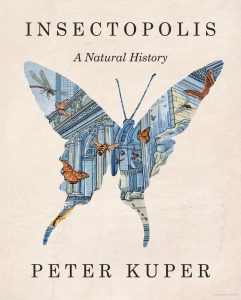
By Peter Kuper
Award-winning cartoonist Peter Kuper transports readers through the 400-million-year history of insects and the remarkable entomologists who have studied them. This visually immersive work of graphic non-fiction dives into a world where ants, cicadas, bees, and butterflies visit a library exhibition that displays their stories and humanity’s connection to them throughout the ages. Layering history and science, color and design, it tells the remarkable tales of dung beetles navigating by the stars, hawk-size prehistoric dragonflies hunting prey, and mosquitoes changing the course of human history.
Read our interview with Kuper.

They Work: Honey Bees, Nature’s Pollinators
By June Smalls and illustrator Yukari Mishima
The newest addition to June Smalls’s nature series, this is a gorgeous nonfiction picture book about life for a hive of honeybees, complete with factoids. Readers learn about the beehive queen, who fights to be queen from the moment she breaks out of her cell. Her job is important, but a hive is only successful if many, many bees are working together. Experience the life cycle of the honeybee up close and personal with this striking picture book. Told in a poetic style along with fun facts on each page for older readers wanting a deeper dive, this book is a beautiful exploration of life inside a beehive — as well as the dangers and predators bees face in the world, including humans.

Bison: Community Builders and Grassland Caretakers
By Frances Backhouse
Bison are North America’s largest land animals. Some 170,000 wood bison once roamed northern regions, while at least 30 million plains bison trekked across the rest of the continent. Almost driven to extinction in the 1800s by decades of slaughter and hunting, this ecological and cultural species supports biodiversity and strengthens the ecosystems around it. This book celebrates the traditions and teachings of Indigenous peoples and looks at how bison lovers of all backgrounds came together to save these iconic animals. Learn about the places where bison are regaining a hoof-hold and meet some of the young people welcoming them back home.
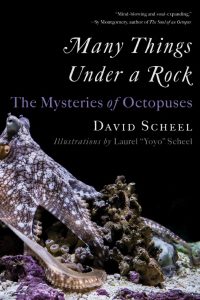
Many Things Under a Rock: The Mysteries of Octopuses
by David Scheel and Laurel ‘Yoyo’ Scheel
This compelling middle-grade adaptation dives deep into the mysteries of one of our planet’s most enigmatic animals. Among all the ocean’s creatures, few are more captivating — or more elusive — than the octopus. Marine biologist David Scheel investigates these strange beings to answer long-held questions: How can we learn more about animals whose perfect camouflage and secretive habitats make them invisible to detection? How does an almost-boneless package of muscle and protein defeat sharks, eels, and other predators while also preying on the most heavily armored animals in the sea? How do octopuses’ bodies work? This fascinating book shows young readers how to embrace the wisdom of the unknown — even if it has more arms than expected.
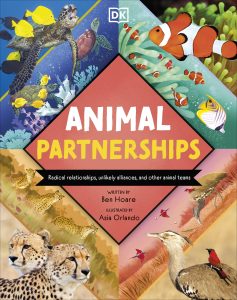 Animal Partnerships: Radical Relationships, Unlikely Alliances, and Other Animal Teams
By Ben Hoare and Asia Orlando
Discover partnerships from across the animal kingdom with unexpected animal teams around the world who thrive in the wild as they defend, feed, and plot with each other to survive. Friendly, informative explanations are paired with striking photographs and colorful illustrations to make every page captivate the imagination. This unique animal book for children offers impressive facts about previously unknown animal behaviors that are guaranteed to wow adults and children alike.

By Hannah Peckham
Deep in the jungle, a chameleon named Conker finds two animals in need of his help. Though he first wants to run and hide, he remembers what his mom taught him about being kind and helpful to others. Once Conker saves Sanjeet the lost lorikeet from a puddle, the two of them come across a monkey caught in a trap. Conker and his new friend work together to save the day. This sweet rhyming story will teach young readers the value of friendship and helping those in need. There are plenty of points for discussion and those are aided by the probing questions at the back of the book and the various activities.

By Kaitlyn Salvatore
From the Discover More: Marine Wildlife Series. Not all marine wildlife lives completely underwater. While some mollusks do, other species live both above and below the water’s surface. As readers learn about the different classes of mollusks, they uncover how a mollusk’s body allows it to do amazing things, learning about the unique ways different mollusk species, from slugs to squid to clams, contribute to their environments. Their lifestyles, diet, and the threats to their survival come to life through vivid photographs and age-appropriate text.

Becoming an Ecologist: Career Pathways in Science
By John A. Wiens
What influences a person’s decision to pursue a career in science? And what factors determine the many possible pathways a budding scientist chooses to follow? John A. Wiens traces his journeys through several subfields of ecology — and gives readers an inside look at how science works. He shares stories from his development as an ornithologist, community ecologist, landscape ecologist, and conservation scientist, recounting the serendipities, discoveries, and joys of this branching career. Wiens explores how an individual’s background and interests, life’s contingencies, the influences of key people, and the culture of a discipline can all shape a scientist’s trajectory. This book explores why ecologists ask the questions they do, how they go about answering them, and what they do when the answers are not what they expected.
Bringing together personal narrative with practical guidance for aspiring ecologists, this book provides a window onto a dynamic scientific field — and inspiration for all readers interested in building a career by following their passion for the natural world, presented in an enticing way for young professionals and students.
Enjoy these engaging reads and get young friends and family members involved with activities that support our environment and wildlife. We hope you and your children and grandchildren will be motivated to protect and reclaim our environment through these remarkable books. And there’s more to come: We’ll cover more books for young readers in the months ahead.
For hundreds of additional environmental books — including many for kids of all ages — visit the Revelator Reads archives.
The post New Wildlife Books for Children and Teens (That Adults May Find Interesting Too) appeared first on The Revelator.