

These giant sea reptiles lived in freshwater rivers, too
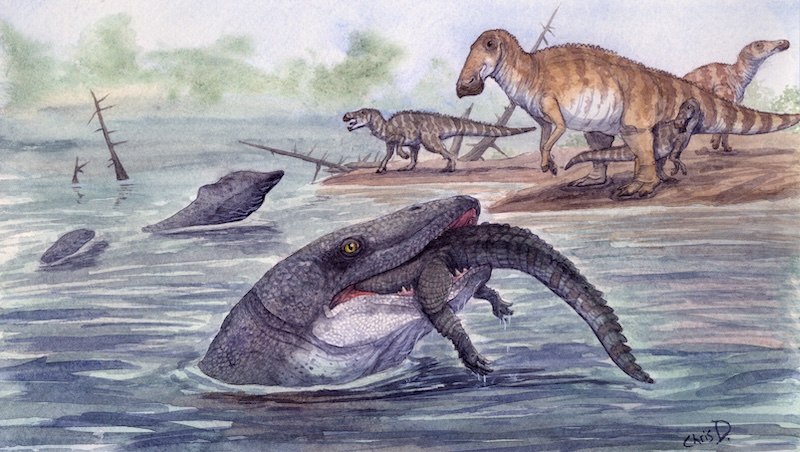
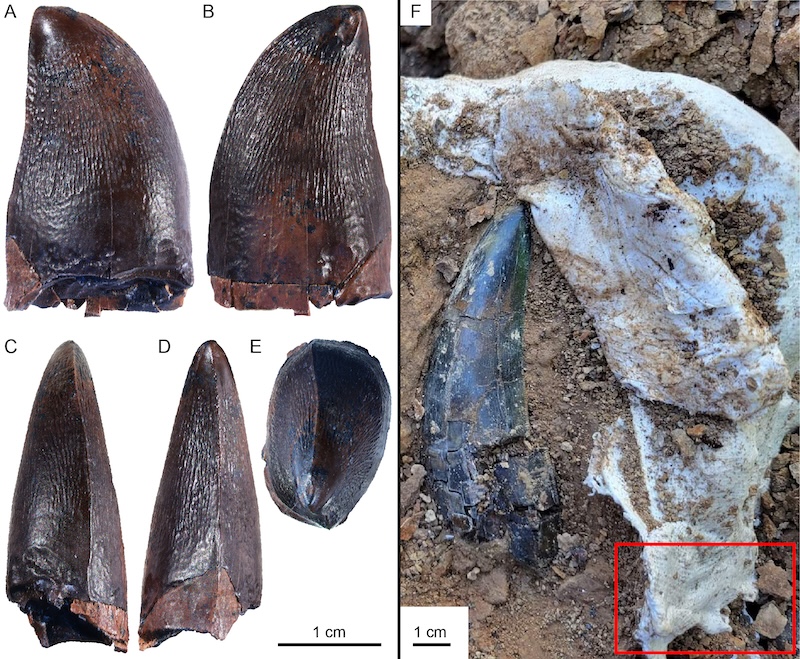
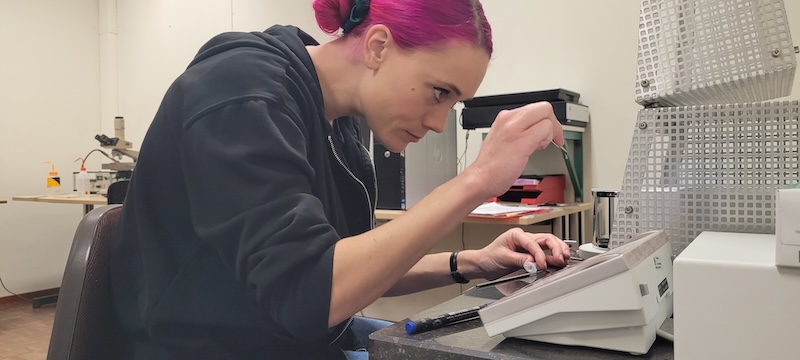
Watch Melanie During of Vrije University in the Netherlands talk about mosasaurs in the late Cretaceous. Researchers found a tooth from a mosasaur in North Dakota that dates back 66 million years. The find suggests these giant sea reptiles lived in freshwater as well as oceans. Video via Genuine Rockstars (Dennis Voeten and Melanie During). EarthSky’s 2026 lunar calendar is available now. Get yours today! Makes a great gift. Mosasaurs were the apex predators of the sea during the late Cretaceous, 94 to 66 million years ago. But they also lived in freshwater habitats, such as rivers, according to a new study. Environmental changes during the late Cretaceous may have driven mosasaurs to adapt to freshwater areas in North America’s inland sea. Chemical analysis of a mosasaur tooth reveals a surprise Mosasaurs were giant aquatic reptiles that lived 94 to 66 million years ago. While T. rex was the dominant predator on land, mosasaurs were the apex predators of the sea. But scientists from Uppsala University in the Netherlands said on December 12, 2025, that they have new evidence showing mosasaurs also lived in freshwater, in inland rivers. Their diverse habitats suggest they were adapting to a changing environment. In 2022, researchers found a mosasaur tooth at an unexpected location in North Dakota. They recovered it from ancient river deposits alongside a T. rex tooth and the jawbone of a freshwater crocodile-like (or crocodilian) reptile. Plus, the area was known for its fossilized Edmontosaurus duck-billed dinosaurs. How did a seagoing mosasaur’s tooth end up in a freshwater river? In this new study, scientists found answers in the mosasaur’s tooth enamel. A chemical analysis of certain elements revealed that this mosasaur had, in fact, lived in freshwater, not salt water. The researchers published their study in the peer-reviewed journal BMC Zoology on December 12, 2025. Artist’s concept of a mosasaur in a river, having just caught a crocodilian. In this new study, scientists suggest that late Cretaceous mosasaurs could have lived in freshwater. Image via Christopher DiPiazza/ Uppsala University. These giant sea reptiles were apex water predators Mosasaurs were large swimming reptiles of the late Cretaceous, 94 to 66 million years ago. Scientists have found most of their fossils in marine deposits, therefore associating mosasaurs as sea creatures. Along with most dinosaurs, mosasaurs perished 66 million years ago, during the K-Pg extinction event. That’s when a massive asteroid crashed into our planet, causing the extinction of many species. Scientists think the tooth they studied came from a mosasaur of the genus Prognathodon. These creatures had bulky heads with sturdy jaws and teeth. The tooth was about 1.2 inches (30 mm) long. Therefore, based on what they knew about other, more complete mosasaur fossils, the researchers extrapolated the size of this individual to 36 feet (11 meters) in length. That’s about the size of a bus. Per Ahlberg, of Uppsala University in Sweden, is a paper co-author. He said: The size means that the animal would rival the largest killer whales, making it an extraordinary predator to encounter in riverine environments not previously associated with such giant marine reptiles. On the left, different views of the mosasaur tooth. On the right, an image of the T. rex tooth in the ground. The red rectangle shows the location where the mosasaur tooth was recovered. Image via During, M. A. D., et al./ BMC Zoology (CC BY 4.0). Probing the tooth enamel with isotope analysis For some elements, an atom has the same number of protons but a different number of neutrons. These different forms of an element are called isotopes. For example, carbon-12, carbon-13 and carbon-14 are three carbon isotopes. They all have six protons. But they also have six, seven and eight neutrons, respectively. The ratio of isotopes for an element can vary depending on the type of environment. In this study, the scientists looked at three elements: oxygen, strontium and carbon. They found there was more oxygen-16 in their mosasaur’s tooth enamel compared to mosasaurs found in marine environments. Therefore, they concluded, this animal lived in freshwater. Strontium isotope ratios also suggested the same. Melanie During of Vrije University in The Netherlands is the paper’s lead author. She said this about carbon isotope ratios they found: Carbon isotopes in teeth generally reflect what the animal ate. Many mosasaurs have low carbon-13 values because they dive deep. The mosasaur tooth found with the T. rex tooth, on the other hand, has a higher carbon-13 value than all known mosasaurs, dinosaurs and crocodiles, suggesting that it did not dive deep and may sometimes have fed on drowned dinosaurs. The isotope signatures indicated that this mosasaur had inhabited this freshwater riverine environment. When we looked at two additional mosasaur teeth found at nearby, slightly older, sites in North Dakota, we saw similar freshwater signatures. These analyses shows that mosasaurs lived in riverine environments in the final million years before going extinct. Melanie During prepares a sample of the mosasaur tooth for strontium isotope analysis. Via Melanie During/ Uppsala University. An ancient sea in North America During the late Cretaceous, an inland sea divided North America, separating the east and west sides of the continent. This sea is known as the Western Interior Seaway. The amount of freshwater entering this sea increased over time. As a result, the seawater gradually transformed from salt water to brackish water, and then to mostly fresh water. The scientists think that this created a halocline. In other words, salt water – which is heavier because of dissolved salts – formed a layer at the bottom of the sea. Meanwhile, the lighter freshwater sat on top of it. These giant sea reptiles might have lived in freshwater Ahlberg commented that their isotope analysis confirms the theory about halocline conditions in the Western Interior Seaway: For comparison with the mosasaur teeth, we also measured fossils from other marine animals and found a clear difference. All gill-breathing animals had isotope signatures linking them to brackish or salty water, while all lung-breathing animals lacked such signatures. This shows that mosasaurs, which needed to come to the surface to breathe, inhabited the upper freshwater layer and not the lower layer where the water was more saline. Late Cretaceous mosasaurs may have adapted to the changing salinity of the inland sea. During said: Unlike the complex adaptation required to move from freshwater to marine habitats, the reverse adaptation is generally simpler. The scientists cited modern examples of these adaptations. For instance, river dolphins live in freshwater but they’re descended from marine ancestors. The saltwater crocodile in Australia is able to move between freshwater rivers and the sea. Bottom line: Scientists used to think that mosasaurs were exclusively sea-dwellers. But new research suggests that North American late Cretaceous mosasaurs might have lived in freshwater. Source: “King of the Riverside”, a multi-proxy approach offers a new perspective on mosasaurs before their extinction Via Uppsala University Read more: Nanotyrannus, a T. rex mini-me, coexisted with the big guysThe post These giant sea reptiles lived in freshwater rivers, too first appeared on EarthSky.
Scientists thought mosasaurs - giant sea reptiles - lived in oceans. But the discovery of fossils in North Dakota shows they may also have lived in freshwater. The post These giant sea reptiles lived in freshwater rivers, too first appeared on EarthSky.
Watch Melanie During of Vrije University in the Netherlands talk about mosasaurs in the late Cretaceous. Researchers found a tooth from a mosasaur in North Dakota that dates back 66 million years. The find suggests these giant sea reptiles lived in freshwater as well as oceans. Video via Genuine Rockstars (Dennis Voeten and Melanie During).
EarthSky’s 2026 lunar calendar is available now. Get yours today! Makes a great gift.
- Mosasaurs were the apex predators of the sea during the late Cretaceous, 94 to 66 million years ago.
- But they also lived in freshwater habitats, such as rivers, according to a new study.
- Environmental changes during the late Cretaceous may have driven mosasaurs to adapt to freshwater areas in North America’s inland sea.
Chemical analysis of a mosasaur tooth reveals a surprise
Mosasaurs were giant aquatic reptiles that lived 94 to 66 million years ago. While T. rex was the dominant predator on land, mosasaurs were the apex predators of the sea. But scientists from Uppsala University in the Netherlands said on December 12, 2025, that they have new evidence showing mosasaurs also lived in freshwater, in inland rivers. Their diverse habitats suggest they were adapting to a changing environment.
In 2022, researchers found a mosasaur tooth at an unexpected location in North Dakota. They recovered it from ancient river deposits alongside a T. rex tooth and the jawbone of a freshwater crocodile-like (or crocodilian) reptile. Plus, the area was known for its fossilized Edmontosaurus duck-billed dinosaurs.
How did a seagoing mosasaur’s tooth end up in a freshwater river?
In this new study, scientists found answers in the mosasaur’s tooth enamel. A chemical analysis of certain elements revealed that this mosasaur had, in fact, lived in freshwater, not salt water.
The researchers published their study in the peer-reviewed journal BMC Zoology on December 12, 2025.
These giant sea reptiles were apex water predators
Mosasaurs were large swimming reptiles of the late Cretaceous, 94 to 66 million years ago. Scientists have found most of their fossils in marine deposits, therefore associating mosasaurs as sea creatures.
Along with most dinosaurs, mosasaurs perished 66 million years ago, during the K-Pg extinction event. That’s when a massive asteroid crashed into our planet, causing the extinction of many species.
Scientists think the tooth they studied came from a mosasaur of the genus Prognathodon. These creatures had bulky heads with sturdy jaws and teeth. The tooth was about 1.2 inches (30 mm) long. Therefore, based on what they knew about other, more complete mosasaur fossils, the researchers extrapolated the size of this individual to 36 feet (11 meters) in length. That’s about the size of a bus.
Per Ahlberg, of Uppsala University in Sweden, is a paper co-author. He said:
The size means that the animal would rival the largest killer whales, making it an extraordinary predator to encounter in riverine environments not previously associated with such giant marine reptiles.
Probing the tooth enamel with isotope analysis
For some elements, an atom has the same number of protons but a different number of neutrons. These different forms of an element are called isotopes. For example, carbon-12, carbon-13 and carbon-14 are three carbon isotopes. They all have six protons. But they also have six, seven and eight neutrons, respectively.
The ratio of isotopes for an element can vary depending on the type of environment. In this study, the scientists looked at three elements: oxygen, strontium and carbon.
They found there was more oxygen-16 in their mosasaur’s tooth enamel compared to mosasaurs found in marine environments. Therefore, they concluded, this animal lived in freshwater. Strontium isotope ratios also suggested the same.
Melanie During of Vrije University in The Netherlands is the paper’s lead author. She said this about carbon isotope ratios they found:
Carbon isotopes in teeth generally reflect what the animal ate. Many mosasaurs have low carbon-13 values because they dive deep. The mosasaur tooth found with the T. rex tooth, on the other hand, has a higher carbon-13 value than all known mosasaurs, dinosaurs and crocodiles, suggesting that it did not dive deep and may sometimes have fed on drowned dinosaurs.
The isotope signatures indicated that this mosasaur had inhabited this freshwater riverine environment. When we looked at two additional mosasaur teeth found at nearby, slightly older, sites in North Dakota, we saw similar freshwater signatures. These analyses shows that mosasaurs lived in riverine environments in the final million years before going extinct.
An ancient sea in North America
During the late Cretaceous, an inland sea divided North America, separating the east and west sides of the continent. This sea is known as the Western Interior Seaway.
The amount of freshwater entering this sea increased over time. As a result, the seawater gradually transformed from salt water to brackish water, and then to mostly fresh water. The scientists think that this created a halocline. In other words, salt water – which is heavier because of dissolved salts – formed a layer at the bottom of the sea. Meanwhile, the lighter freshwater sat on top of it.
These giant sea reptiles might have lived in freshwater
Ahlberg commented that their isotope analysis confirms the theory about halocline conditions in the Western Interior Seaway:
For comparison with the mosasaur teeth, we also measured fossils from other marine animals and found a clear difference. All gill-breathing animals had isotope signatures linking them to brackish or salty water, while all lung-breathing animals lacked such signatures. This shows that mosasaurs, which needed to come to the surface to breathe, inhabited the upper freshwater layer and not the lower layer where the water was more saline.
Late Cretaceous mosasaurs may have adapted to the changing salinity of the inland sea. During said:
Unlike the complex adaptation required to move from freshwater to marine habitats, the reverse adaptation is generally simpler.
The scientists cited modern examples of these adaptations. For instance, river dolphins live in freshwater but they’re descended from marine ancestors. The saltwater crocodile in Australia is able to move between freshwater rivers and the sea.
Bottom line: Scientists used to think that mosasaurs were exclusively sea-dwellers. But new research suggests that North American late Cretaceous mosasaurs might have lived in freshwater.
Read more: Nanotyrannus, a T. rex mini-me, coexisted with the big guys
The post These giant sea reptiles lived in freshwater rivers, too first appeared on EarthSky.